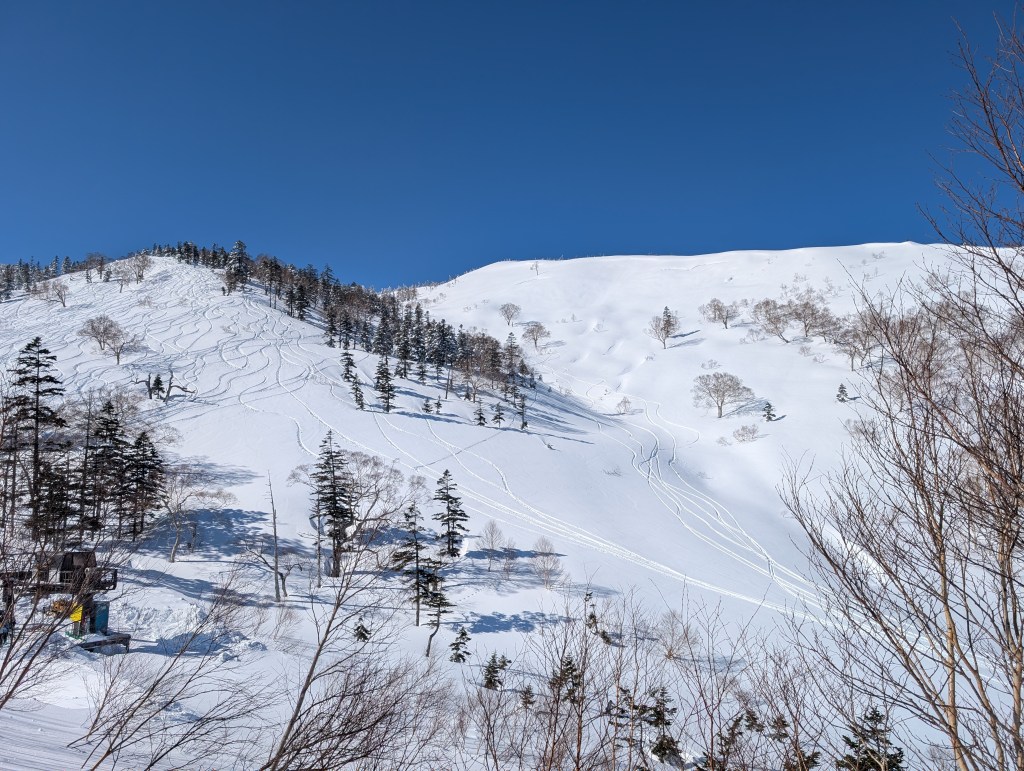
On my first day riding Japow, I got stuck in a riverbed with powder up to my neck. That’s when I realized that snowboarding Japan would be different from anything I had ever experienced. It was an epic day, and the start of my learning experience.
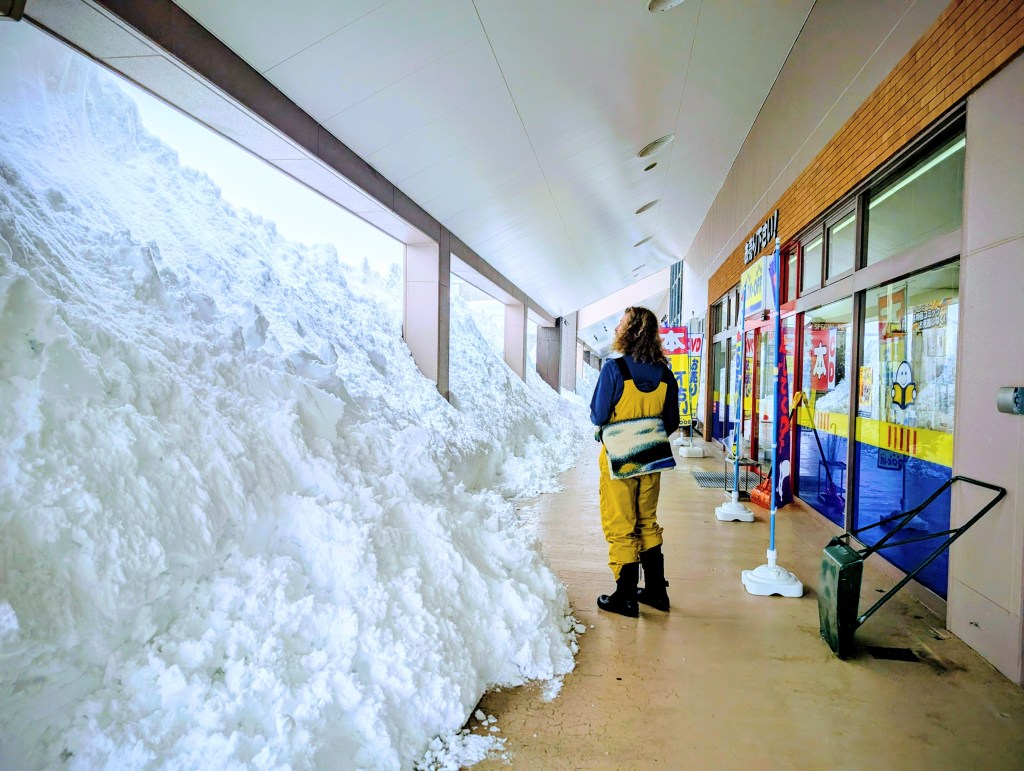
Japow, the famed light, dry, fluffy powder that covers Japan to the tune of 15 metres every winter season, happens when cold air from Siberia sweeps across the relatively warm Sea of Japan, picking up huge amounts of moisture. Once that moisture-laden air hits Japan’s mountains, it rises, cools, and dumps relentless, ultra-light snowfall — over and over again all winter.
I am now on my second full season of snowboarding in Japan, and have tested dozens of resorts. I’ve learned a lot along the way, and am here now to share my top tips.
If you’re coming for Japow, here’s what you need to know before you drop in.
Don’t Just Go to Niseko
Niseko, in Japan’s Northern island of Hokkaido, is by far the country’s most popular resort amongst foreigners. In fact, for many people, Japan Snowboard = Niseko.
There are good reasons for this. Niseko gets consistent snow and has a long season. It has 48km of pistes, modern infrastructure, and accessible backcountry. It is very English-friendly and has an actual nightlife. But with its popularity comes downsides. It is very busy, and fresh powder gets tracked out quickly. It is expensive and feels very different from the rest of Japan. And locals are suffering from the consequences of overtourism.
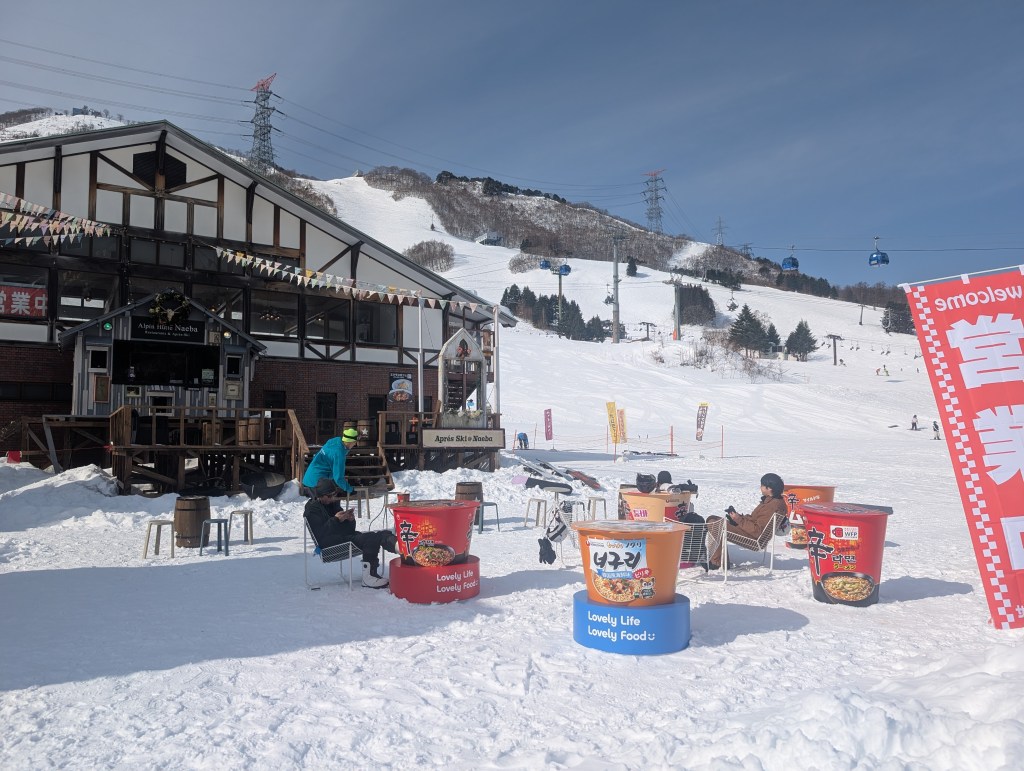
I’ve chosen a different approach. This is my second season staying in the middle of the Japanese countryside, skiing its smaller resorts. Many of them feel like they are stuck in the 1970s, with retro gondolas, faded signage, and steamy ramen bars with flickering neon lights.
Fresh lines are endless, and you are deeply immersed in Japanese culture, soaking in onsens, drinking shots with your neighbours, and belting out karaoke in smoky basement bars. So my first, and the most important tip, is not to limit yourself to Niseko.
During my explorations, I’ve tried many different resorts: Shiga Kogen (Asia’s largest ski resort, and you’ll have it all to yourself), Nozawa Onsen (with its historic bathhouses), Madarao (a paradise for tree runs and powder fields), and Togakushi (a historical ninja town with obstacle courses on its quiet slopes).
To help make your decision, check out my article about the Best Japan Skiing Locations [coming soon].
If you go to a smaller or more remote resort, renting a car can be essential – and cheaper than you might think. Find out how we found rental cars for 350USD a month.
Understand the Dangers of Japow
Japan snowboarding is absolutely magical, but it is important to understand the risks before you go. Hundreds of people die every year on Japanese ski slopes. That same snow that draws people in can also be lethal, and the risks in Japanese mountains may not be the ones that you are used to.
Japow is famously light, dry, and deep. It is easy to get buried in it. If you land headfirst, you can get wedged in and risk suffocation.
Japan is a country of hot springs, and under the surface of the snow are hidden rivers and pools that are very dangerous to fall into.
Visibility can be poor, and you will often be storm riding.
Tree wells are one of the biggest dangers in Japanese resorts. When snow accumulates by the base of the trees, it hides big holes underneath. If you fall into one, self-rescue is very difficult, especially in deep powder.
Avalanches are a risk in steeper terrain, although Japanese resorts are often less steep than those in North America or Europe. In fact, that is one of the reasons westerners underestimate the risks of snowboarding in Japan.
I’m not saying any of this to make you anxious, but just as a reminder to respect the mountain, and that even if you are a pro back home, Japan can present new risks.
Bring your avalanche gear, especially when venturing into the backcountry, and know how to use it. Don’t ride alone, and take care of your buddies.
Learn to Ride Japow
If you’ve never ridden truly deep snow before, Japan will expose every technical weakness you have.
Shift your weight slightly back to keep the nose floating, but don’t lean back stiffly — stay centered and engaged with the board. Powder isn’t something you fight; it’s something you flow with. Ride like you’re surfing: smooth, rounded turns, letting the board plane across the surface rather than forcing sharp carves. Keep your speed whenever you can — you’ll often need it for the flatter sections.
Your setup matters more than you think. A dedicated powder board makes a significant difference. The extra surface area and setback stance reduce back-leg burn and make long run-outs far more manageable. (For reference, I ride a Nitro Squash 153cm, and it hasn’t let me down yet — incredibly floaty in deep snow, but still reliable when things get icy.)
Flat terrain is a bigger factor than many riders expect. Many Japanese resorts have limited vertical drop and long run-outs, which means momentum is everything. Foldable poles can genuinely save you from exhausting one-foot pushes, especially on storm days when speed disappears quickly.
Visibility is another serious consideration. Storm cycles frequently bring whiteout conditions. Low-light goggles — ideally with a spare lens — are essential. There are days when contrast vanishes entirely, and you’re effectively riding blind. Just this morning, I accidentally rode off a two-metre drop in the middle of a piste because it was completely indistinguishable from the terrain around it.
Finally, don’t underestimate the physical demand. Strength training in the weeks and months before your trip goes a long way. You’ll feel it when you’re digging yourself out after a fall in waist-deep snow — or when you still have the energy to chase a few more fresh lines at the end of a long, stormy day.
January is the Best Time For Snowboarding Japan
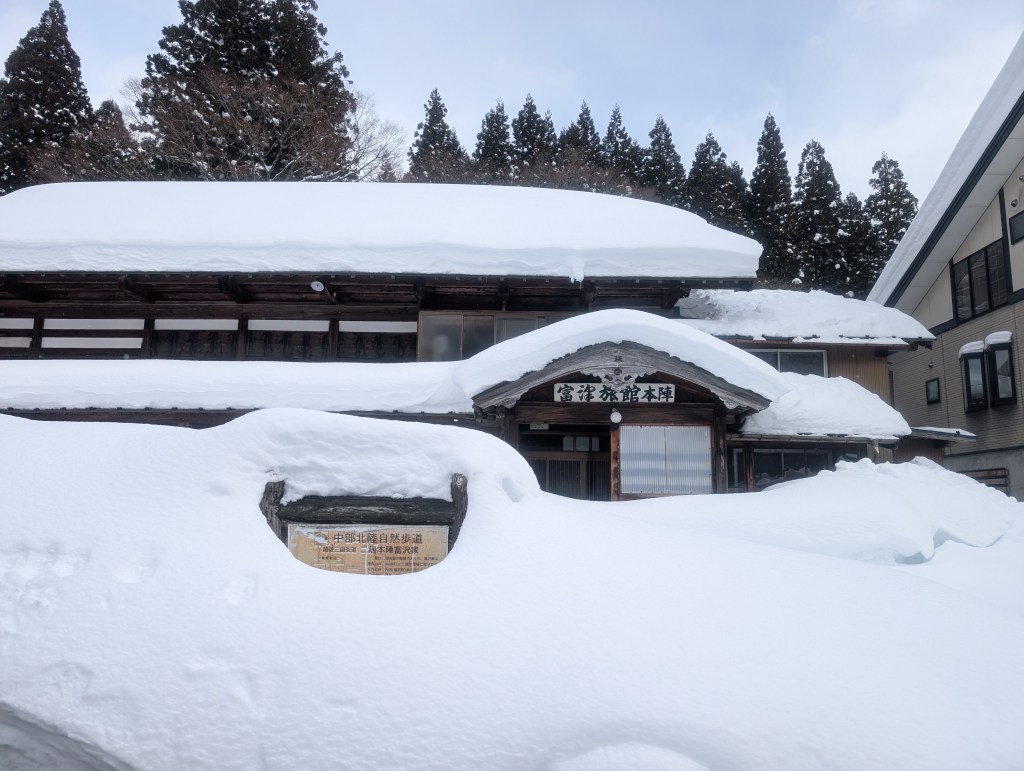
The best time for Japow is undoubtedly January. In December, there is a lot of snow, but no baselayer. This means that many bushes are still poking out, and less off-piste terrain is accessible. From February onwards, snowfall decreases, and there are often full weeks with very spring-like conditions (including sunshine, and sometimes rain, rather than japow). If you don’t have long, come in January to have the highest chance of powder day after powder day.
Understand Japanese Ski Resorts
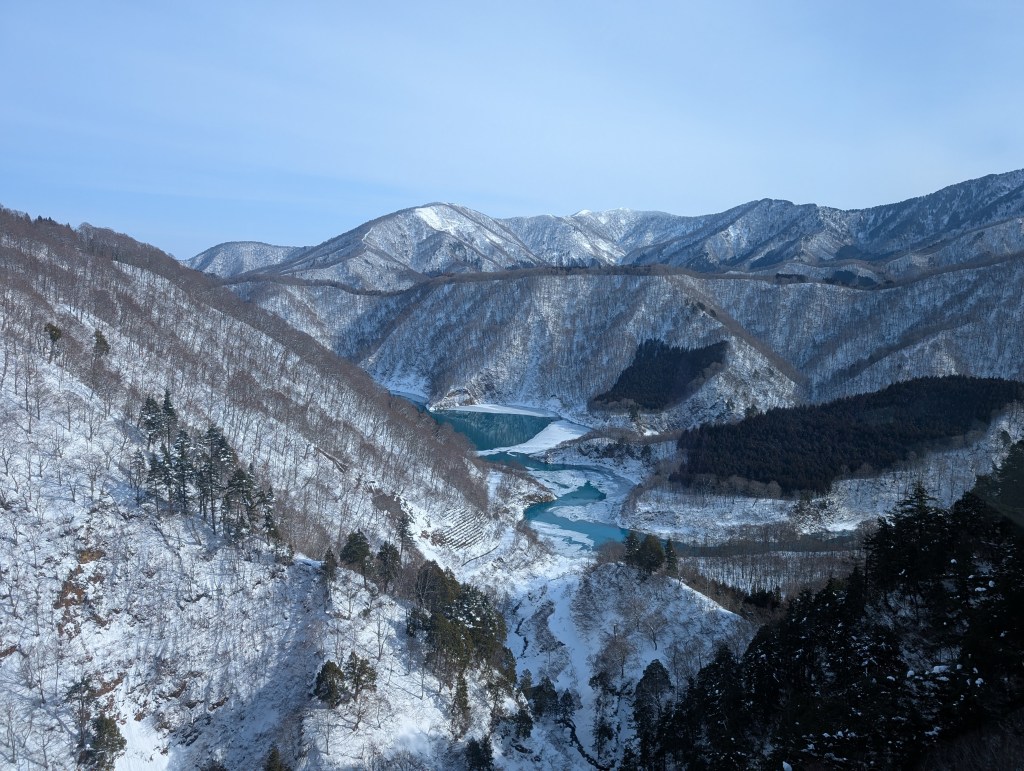
Several things can be surprising about Japanese ski resorts when you first arrive.
Lifts are Low and Slow
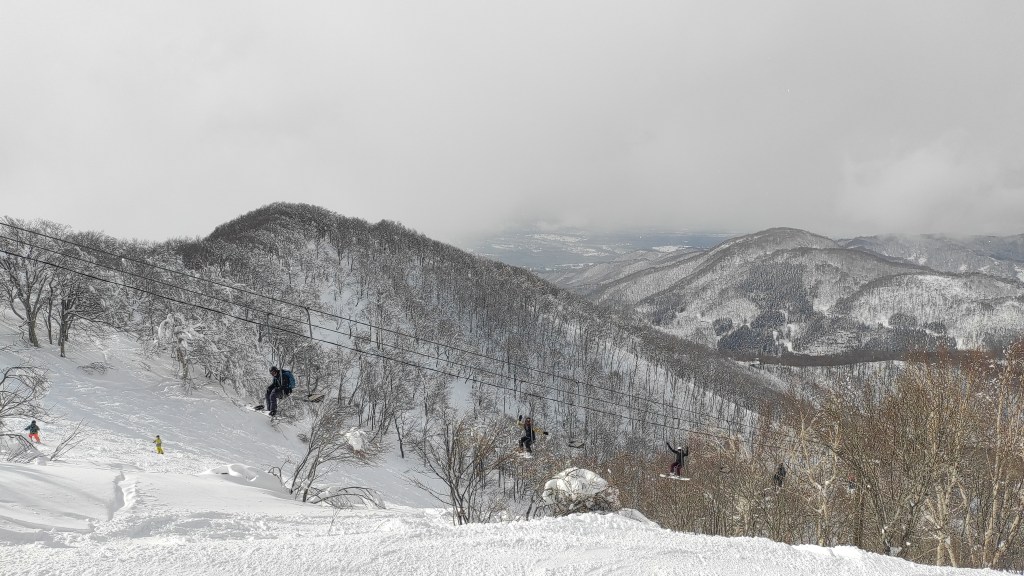
Lifts in Japan are often slower than what you might be used to. High-speed six-packs exist, but many resorts still rely heavily on older double or quad chairs. Especially when you’re at quiet, rural resorts. Enjoy the process — and dress up warmly. Make sure your gear is waterproof, because sitting on a slow chair under thick snow will test it to its limits!
Many chairs are also surprisingly low to the ground. If you ride a snowboard, get into the habit of putting your highbacks down before loading, especially on older lifts. Be careful not to get your snowboard stuck in the snow as the lift begins; this can be extremely painful.
More Deep, Less Steep
Another common surprise: many resorts are so flat that no one would think to build a ski station there in Europe or North America. Long traverses are common, so wax your gear and keep your momentum.
The hills are also much lower than the mountains we’re used to riding in the West, and many resorts don’t have much vertical drop, so runs can feel short.
Some resorts have very steep sections – I recommend Kagura and Tangram – but in general, it is worth coming to Japanese snowboarding with the mentality More Deep, Less Steep.
Ungroomed Runs
Most Japanese resorts leave some runs ungroomed. They turn into absolutely idyllic powder fields on snowy days, and you don’t have to duck any ropes to get there!
Off-Piste Rules
Before choosing a resort, do some research to find out its policy on off-piste riding. The most fun you can have in a Japanese resort is in the tree runs or hunting powder in the off-piste sections. Some resorts are totally chill with this; others will have your pass. Give it a google before hand.
Your Safety is in Your Hands
I had an image in my head of Japan as a highly regulated, safety-oriented culture. In many ways, it is, but not on ski slopes. Half of the locals don’t even wear helmets on the slopes. What is important for you to know is that just because a piste is left open, doesn’t mean there are no risks. Our friend got caught in a small avalanche on an open run in the resort. You need to use your own judgment at all times.
Food on the Mountain is Cheap and Good
This is a nice surprise – restaurants on the slopes aren’t extortionately priced, taking advantage of a captive audience. They are usually affordable and pretty good. Prices are slightly higher than you would find in town, but for 1000-1500yen you can find a tasty, big bowl of katsu curry or ramen.
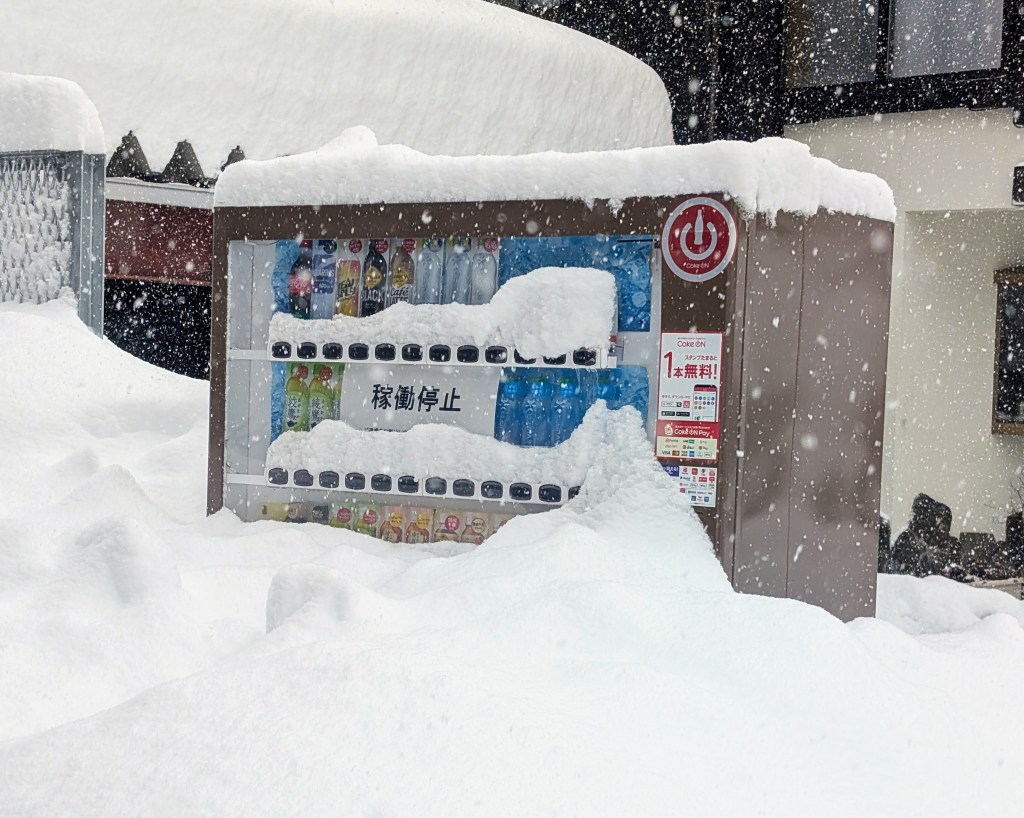
Plus, there are vending machines for drinks, with both hot and cold options. Bring coins, most don’t take notes or card.
Lockers & Storage
Available in most Japanese resorts. Bring coins.
What to Pack for Japan Snowboarding
Packing for Japan snowboarding isn’t the same as packing for a standard ski trip. If you come unprepared, you’ll feel it fast.
Re-Waterproof Your Gear
Before you fly, re-waterproof your outerwear. Even high-quality jackets and pants lose performance over time. With the amount of snow you’ll be sitting, kneeling, and falling into, water resistance matters. Wet gear in sub-zero temperatures will ruin your day quickly.
Extra Gloves
Bring at least two pairs. In very deep snow, gloves get soaked, especially if you’re digging out after falls or adjusting bindings constantly. Drying gear overnight isn’t always easy in smaller accommodations, so having backups is essential.
Balaclava or Face Covering
Storm riding is normal in Japan. A proper balaclava protects against wind, snow blasting your face, and long chairlift rides in whiteout conditions.
Pack Smart Layers
Temperatures can swing dramatically depending on storm cycles, elevation, and sunshine between systems. Bring proper base layers, a mid-layer you can remove, and something warm enough for slow lifts and long exposures.
Clothesline
This sounds small, but it’s one of the most practical items you can pack. Many Japanese hotel rooms and apartments have limited space for drying gear. A lightweight travel clothesline lets you hang gloves, base layers, and socks overnight.
Low-Light Goggles (Or Spare Lens)
Japan snowboarding conditions often mean flat light and heavy snowfall. Contrast disappears quickly. A low-light lens — yellow, pink, or clear — can save your day. Ideally, bring two lens options.
Microspikes
Streets quickly turn into skating rinks. Microspikes make walking safer and less stressful, especially after a long day riding.
Avalanche Gear
If you plan to ride sidecountry or go through resort gates, bring a beacon, shovel, and probe — and know how to use them. Not every Japan snowboarding resort requires this, but if you’re chasing deeper lines beyond the map, it’s non-negotiable.
Wax Kit
Cold snow can be slow snow, especially on flatter terrain. Having your own waxing kit lets you adjust quickly without relying on resort shops.
Foldable poles
Very useful if your resort has long sections of flat.
Physical Debit or Credit Card
Contactless, Google or Apple Pay are often not accepted in Japan. You’ll need a physical card.
E-Sim or a Data Plan
Low visibility is a common side effect of japow, and you can easily lose your buddies. Buy an E-Sim so you can stay online and find them easily. I found XX to have good coverage in rural areas.
Health Insurance
Snowboarding does come with risks, so make sure to have health insurance that covers extreme sports, like Safety Wing (they have an add-on with extensive coverage for skiing and snowboarding).
Final Tip: Explore!
One final tip to make your trip snowboarding in Japan even more epic: don’t forget to spend some time off the slopes. Rural Japan has so many onsen, old buildings, restaurants, and strange little shops to explore. Check out my guide to Japan in Winter for some ideas!
Have any questions about snowboarding in Japan? Let me know below!
 Shortcuts and Side Qests
Leave a comment