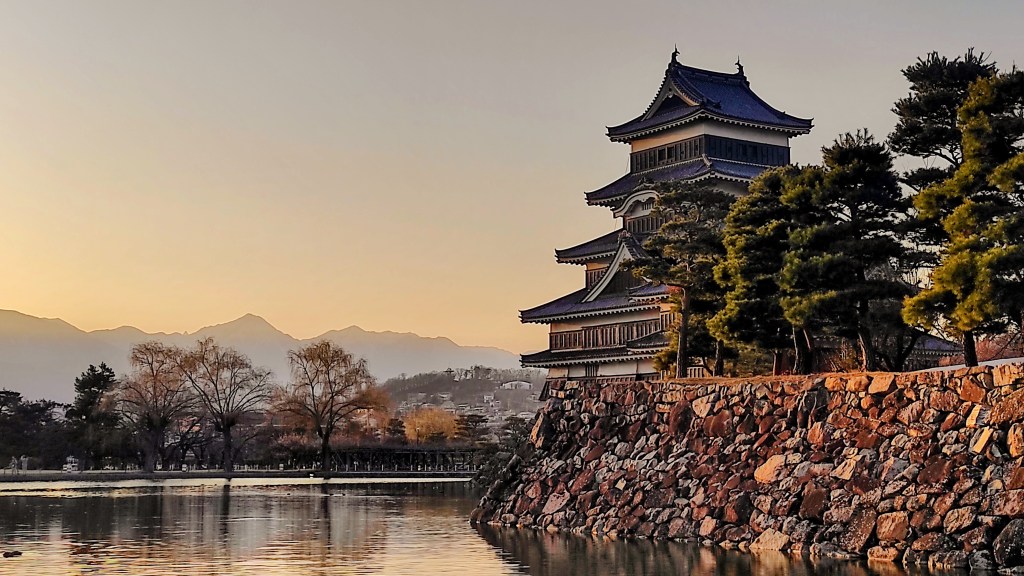
Japan loves its nature so much that newspapers print daily maps of the advance of cherry blossoms in Spring and golden leaves in Fall. People’s lives are deeply entwined with the rhythm of its seasons, and while each time of year has its own special charm, for me, winter is the best time to visit Japan.
You can explore snow-covered villages straight out of a Miyazaki film, find some of the best skiing in the world, and soak in onsen hot springs to get warmed up. Here are my recommendations for the best places to visit in Japan in Winter!
Japan Winter Travel Guide
In one of my more impressive feats of social engineering, I managed to convince ten of my friends to move to a remote mountain cabin in Japan. We spent three months there at the start of 2024 and had a great time discovering the best ski resorts in Japan, as well as the best places to visit in Winter. That’s how I put together this list, and every word I write is making me want to return!
1. Go Snowboarding or Skiing in Japan
Japan has over 500 ski resorts, including the popular Niseko Ski Resort on the northern island of Hokkaido and Hakuba Ski Resort in the Japanese Alps, just a few hours from Tokyo. My personal favorite resort is Nozawa Onsen in Nagano prefecture, which has excellent on-piste and off-piste skiing and is next to a beautiful old town filled with traditional Japanese bathhouses.
My main goal for traveling to Japan in winter was to discover japow, the iconic powder snow that covers the country’s hills every winter. Cold air blows off Siberia, condenses into clouds as it crosses the warm Sea of Japan, and floats down as thick snowflakes as the clouds hit the mountains that cover 80% of Japan. Some parts of the country get a whopping 16 meters of yearly snowfall.
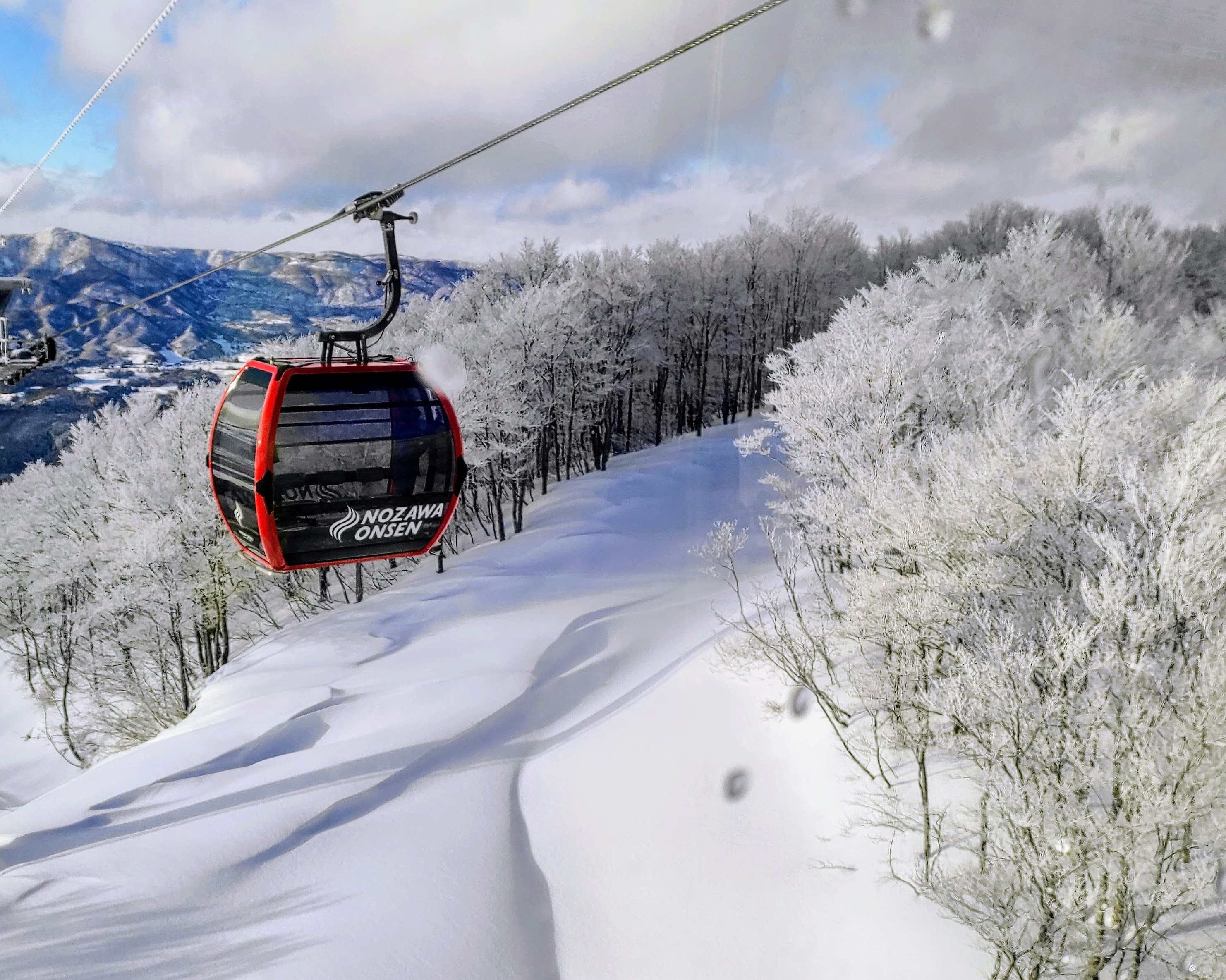
Last year was a relatively bad year for snow because it was a year of El Niño – a climate pattern that occurs every four to five years and affects temperatures and snowfall. Even so, I was not disappointed. We had several powder days a week and spent them gliding through thick snow, navigating spectacular off-piste routes, and occasionally getting buried up to our necks in soft, light, powdery snow.
I also visited several less well-known resorts, including Togakushi, which has a ninja obstacle course—a wink to the fact that rapid-reflexed students used to train there. Shiga Kogen, Asia’s largest ski resort, is another hidden gem. It has a retro feeling, with gondolas from the seventies and many old-fashioned but delicious restaurants hidden on its slopes. I highly recommend the smaller or less popular resorts. What the chairlifts lack in speed, they make up for in charm.
When snowboarding or skiing in Japan, make sure to respect your limits. The amazing powder snow is so much fun it can distract us from the fact that we are doing an extreme sport. Don’t go off without a buddy; keep an eye on your friends, and think of hiring a guide if you want to go freeriding or backcountry skiing.
If you only have a short amount of time, there are several organized ski trips from Tokyo, many of which will also take you to visit the Snow Monkeys—the next item on our list!
2. Visit Japan’s Snow Monkeys
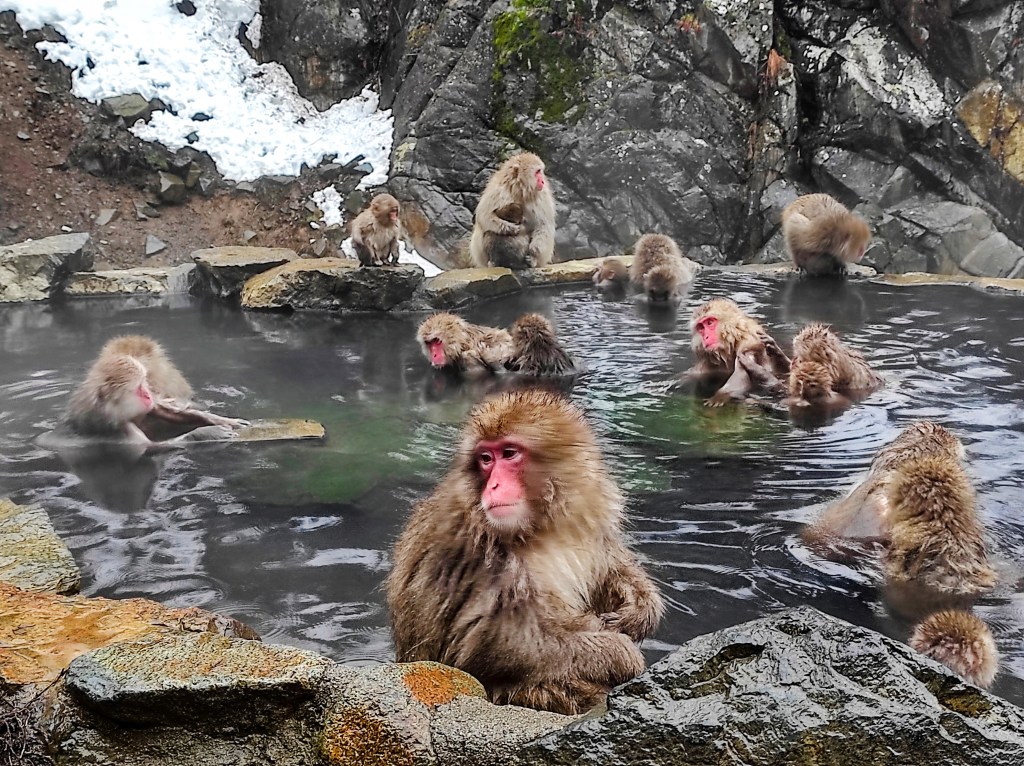
Seeing a bunch of gentle, fluffy monkeys sitting in a hot tub, meditating, grooming each other, and occasionally making snowballs is an unmissable experience of Japanese winter. These little guys are known as the Snow Monkeys, and the best place to see them is in Jigokudani Yaen-Koen, close to Nagano.
Jigokudani Yaen-Koen translates to “hell valley”, and it is so-called because of the bubbling and steaming geysers eeking out of the ground. These natural hot springs have long drawn travelers to the valley, and the traditional Jigokudani Onsen Korakukan Guesthouse opened in 1864 with an outdoor hot tub. Unfortunately, the local monkey population could not read the “Guests only” sign. They spotted humans soaking in the hot springs and knew they were on to something good. They started jumping in the hot tub themselves. Soon, the little hairy creatures took over, and in a very considerate, typically Japanese fashion, locals built them a pool of their own a little further down the valley.
Today, this is known as Snow Monkey Park and is a popular tourist destination. Entry costs 800 yen (around 5 USD). You’ll first arrive at a car park and then follow a forest trail for around 20 minutes until you reach Korakukan Onsen Ryokan. From there, you enter the park and pay the entrance fee. It is another ten-minute walk to the main monkey hotspring, and along the way, you’ll see plenty of monkeys playing along the steep cliffs.
I loved going here so much, and I was especially pleased that the monkeys were chill. I have had bad experiences in the past. I was mugged by a gang of monkeys in India (they surrounded me and stole my corn). A friend of mine was slapped by a monkey at a temple in Nepal (he had given him a cookie, but the monkey didn’t like it).
With all that emotional baggage between the monkeys and me, I was more than happy to let them have their bath without me. Nonetheless, people often wonder if is possible to bathe with the snow monkeys, so let’s get into it.
In the Snow Monkey park itself, you can’t get into the hot springs with the monkeys. You can just explore, watch them, and take photos, along with the dozens or hundreds of other visitors you may find there. However, if you stay at the nearby Korakukan Onsen and enjoy the outdoor hot springs, monkeys often come down and join. This is also a great way of enjoying the valley after the crowds have left and of experiencing a traditional Japanese ryokan or guesthouse.
How to reach the Snow Monkey Park
The Snow Monkey Park is accessible by public transport, although it requires a few changes. First, get a train to Nagano Station, then take a Nagano Dentetsu train to Yudanaka Station. At Yudanaka, get on a bus for Shiga Kogen and descend at the Snow Monkey Park stop, located at the car park, is around 20 minutes’ walk from the park itself. You can also visit the Snow Monkeys as part of a tour from Nagano or Tokyo.
3. Go to a Traditional Japanese Onsen
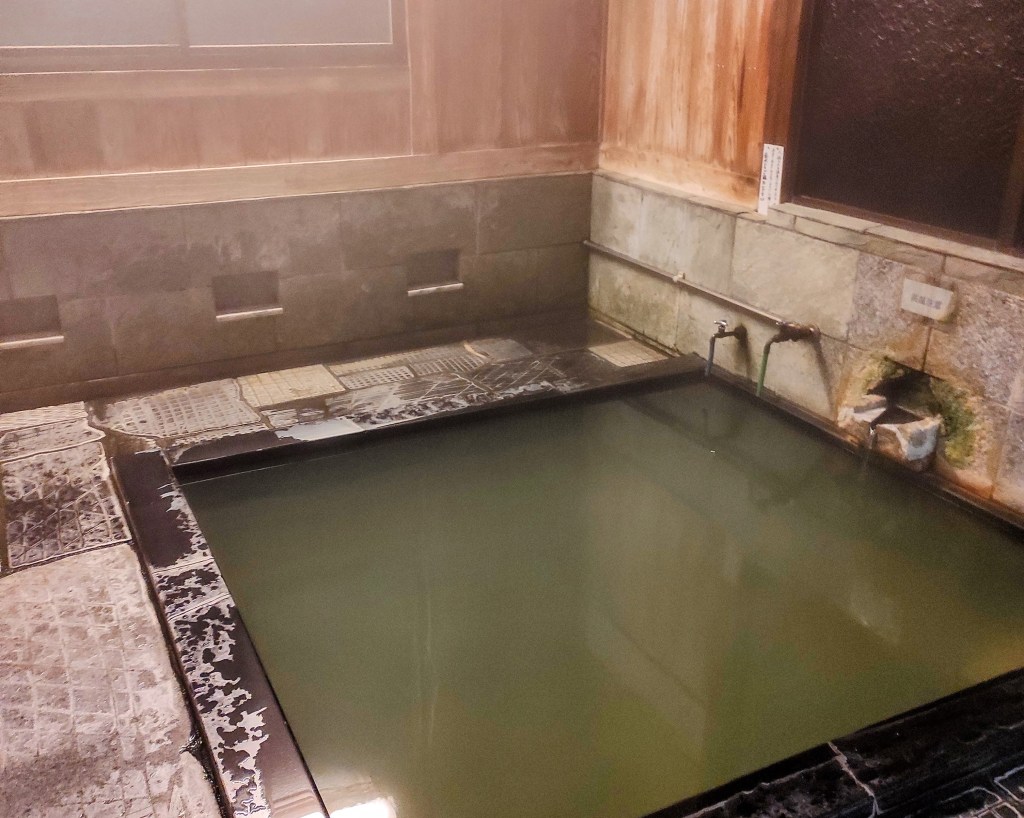
Onsen, or hot springs, are a massive part of Japanese culture, and soaking in a traditional bath is all the more satisfying during snowy winter days.
Some historians say that these thermal water baths are the most quintessential element of Japanese culture since they stem from the country’s very geology. Japan is located on the Pacific Ring of Fire, a horseshoe-shaped region around the edges of the Pacific Ocean, known for its high levels of tectonic activity, including frequent earthquakes and volcanic eruptions. This area is home to about 75% of the world’s active and dormant volcanoes and experiences roughly 90% of the world’s earthquakes.
While that all sounds quite dramatic, it also means that hot springs are boiling underfoot. There are around 25,000 hot spring sources in Japan and around 3,000 onsen establishments.
There are several different types of onsen. Many Ryokan, or traditional guesthouses, have onsen for their guests, ideal for a first, non-intimidating experience while you get your bearings. Hot spring resorts also have public bathhouses and full-on spas offering massages and treatments. These traditional establishments are usually divided into men’s and women’s sections, and swimwear is prohibited. Today, there are also co-ed onsen resorts that feel a bit like Western waterparks. Some even have waterslides.
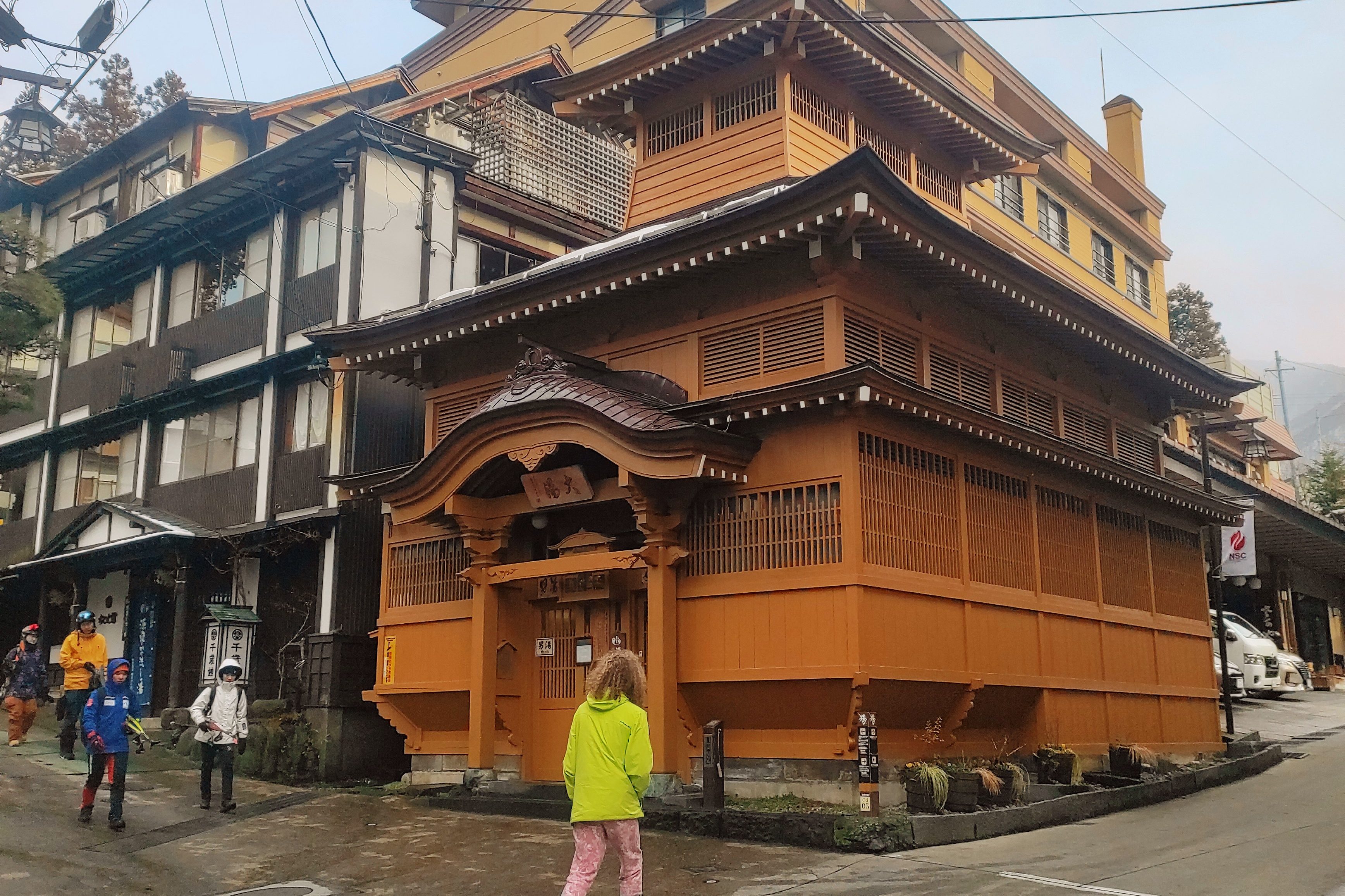
My favorite onsen experience was in Nozawa Onsen, which has 13 free bathhouses. They are beautiful buildings and very social. In earlier times, before people had their own bathrooms, this would have been the main place to wash. Today, it is a place to gossip, chat, and enjoy the steaming hot water.
Entering an onsen might seem intimidating, but don’t worry. They are welcoming spaces, and you are very unlikely to offend anyone.
Enter into the men’s or women’s section, taking your shoes off at the entrance. Place them in the lockers or rack provided, and proceed to the changing rooms. In most places, you will have to get naked. You can take a towel into the bathing area. You will see one or more pools of water and a section with low stools and taps on the wall. Start by washing yourself off with soap, using the taps and the buckets provided. Once you are free of suds, you can get into the tub. Try to keep splashing to a minimum, and be careful not to stay in the water too long when you are not accustomed to it.
Can you visit an onsen with tattoos?
A common question travelers have is whether you can enter onsen with tattoos. In Japan, body art has historically been linked to the Yakuza, or mafia, and was forbidden in onsen. However, in 2016, the Japanese Tourism Agency asked spas to take a more relaxed approach to ink so that more foreigners could enjoy onsen. Today, many onsens are tattoo-friendly. I visited a dozen onsen, and only one turned me down because of my tattoos. That was a very traditional place, in a small village that hardly saw any tourists.
Are onsen LGBTQ+ friendly?
Unfortunately, onsens are set up in a highly binary way, which might be daunting or unpleasant for non-binary or trans folk. This has become a subject of conversation in recent years. Beppu City, one of the country’s most popular hot spring resorts, has launched initiatives to make its bathhouses more inclusive, which will hopefully bear fruit soon.
For now, however, few onsens are explicitly welcoming to LGBTQ+ individuals. Kirishimaya Ryokan in Gunma is seen as a haven by local transfolk as it offers free private baths and the possibility of privatizing the main bath in quiet times. Tokyo’s Ashiyu Café & Bar Donyoku is a queer-friendly community space with foot baths. Otherwise, the best option is either to rent a private bath for yourself and your friends or to head to a co-ed resort, such as Tokyo Summerland in Tokyo, which has an “All Gender” changing room (although it is problematic in other ways, with a questionable tiki theme).
4. Eat Japanese Hot Pot
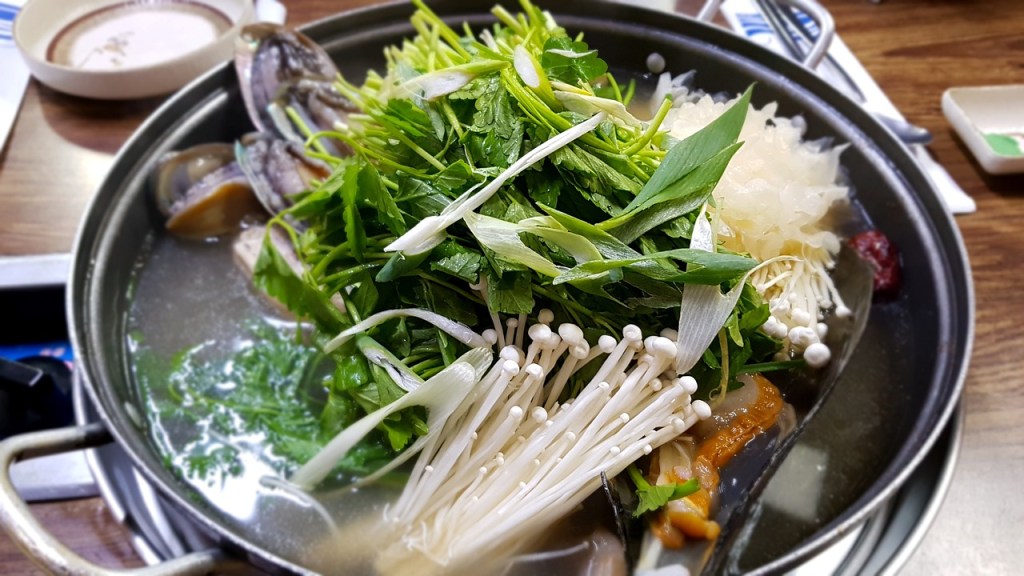
Japanese Hot pot—or nabe—is the ultimate Japanese winter meal. Think veggies, meat, and tofu soaking in a rich broth with udon noodles. It warms you from the inside out and should be a part of any winter itinerary in Japan.
You might be familiar with Chinese or Korean-style hot pots, where you have a large pot of simmering broth and trays of raw vegetables and meat that you dip into the liquid to cook. Japanese hotpot is slightly different. A large pot of broth is brought to the table and placed on a cooker. It is already loaded with vegetables and proteins, and you wait for it to cook, then fill up your small bowl several times until only broth is left. Then, the server will add udon noodles that soak up the remaining juice and leave you feeling satisfyingly full.
Sounds convivial and cozy, right? Well, the first time I had hotpot was at a cute little restaurant after a full day of skiing. I was with my ten housemates, and we were all ravenous after spending hours on the slopes. The hanger was high, and waiting for the food to cook — which only takes about ten minutes — felt like an almost insurmountable feat.
It was so worth it though. That particular restaurant had various choices of broth. My favorite was tofu Sukiyaki, which contains soy sauce, mirin (a sweet rice wine), sake and dashi stock.
One of my favorite things about Japan was realizing how little I knew about Japanese food. I mean, I had been obsessed with sushi for years and thought I could tell a good chicken katsu curry, but in reality, I had no idea how diverse the dishes were there. Nabe was definitely a pleasant surprise.
5 . Visit a Shinto Festival
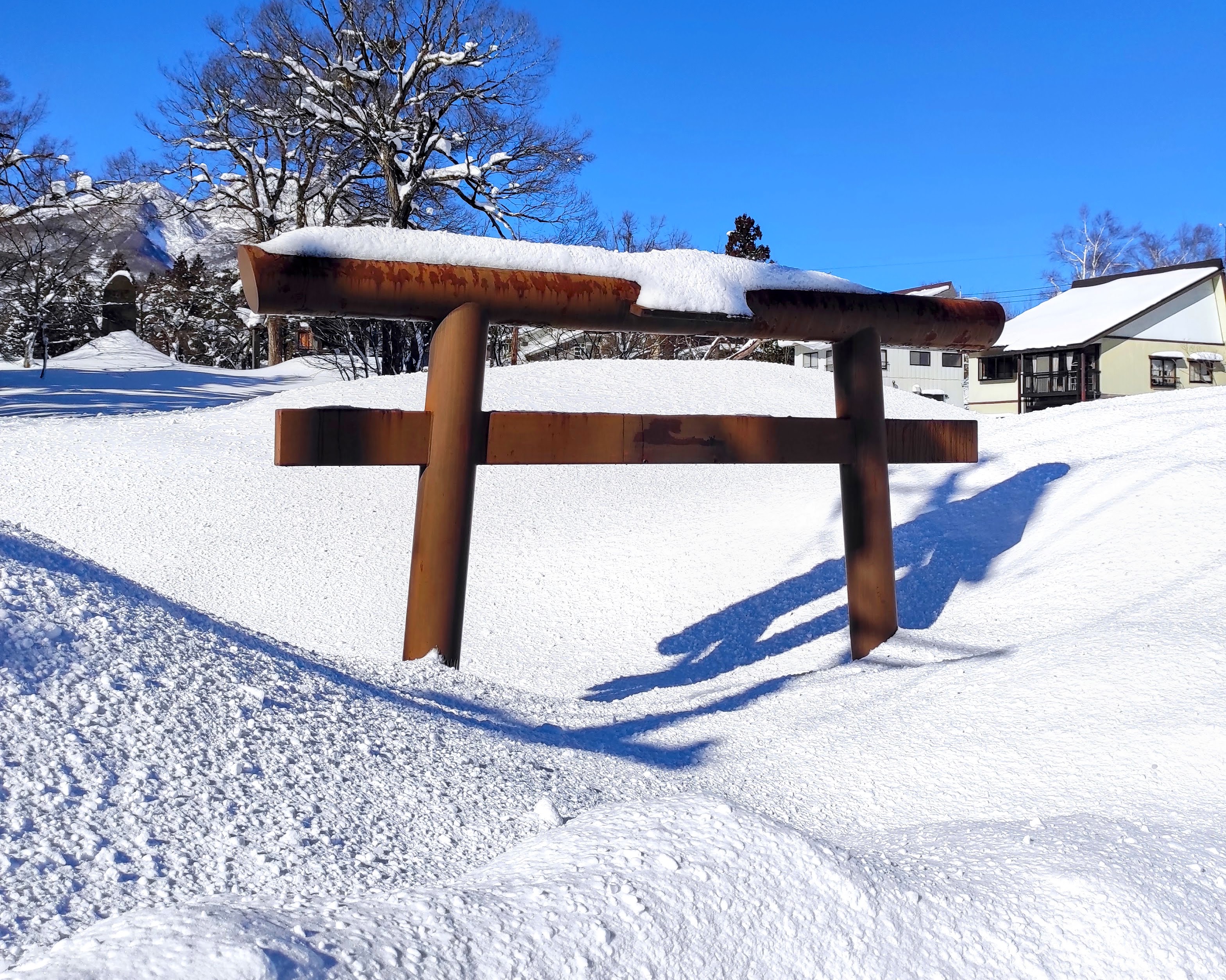
Japan’s religious festivals are colorful, joyous, welcoming, and all-around wonderful. The main religion in Japan is Shintō, or ‘the way of the gods.’ It is centered on kami, gods who inhabit all things, from trees, mountains, and waterfalls to shrines and torii (the traditional Japanese gates shaped like a pi symbol π). Festivals are a core part of Shintō and community life in modern-day Japan.
According to some estimates, Japan has over 100,000 festivals, so there is always one happening somewhere. It is worth checking an events calendar and seeing if you can fit a festival into your itinerary.
I attended the Hadaka Matsuri, or naked festival, in Inazawa for an article I wrote for New Lines Magazine. I was reporting that organizers had allowed women to take part in the festival for the first time in centuries—although not in the “naked” part.
It was an incredible experience that lasted the full day. Throughout the morning, groups from nearby villages and temples bring offerings to the temple in a procession filled with chanting and dancing. In the afternoon, thousands of men gather, wearing only fundoshi (traditional loincloths). One man is named the “shin-otoko” or “divine man,” and he has to make his way through the crowd to the inner shrine. The loincloth-clad participants fight to reach the Shin-Otoko because touching him supposedly guarantees luck for the year ahead.
I was surprised by how rowdy the festival was – it felt like a street party back home. Compared to Western Europe, people in Japan tend to be much more reserved in public spaces. They talk quietly or not at all. Yet on the temple grounds, for Hadaka Matsuri, people were drinking sake, smoking cigarettes, and generally letting loose. There were even a few men with tattoos from head to toe (the loincloths hide nothing). It is hard to say if they were yakuza — in recent years, a growing number of young people are getting tattoos for fashion — but they sure looked like they might have been.
Whatever you plan for your Japan Winter itinerary, make sure to include winter sports, Japanese comfort food, onsen baths, and Shinto festivals!
Japan Winter Travel: Frequently Asked Questions (FAQ)
There are a few things to know before planning your winter vacation in Japan, so keep reading to find the answers to the most common questions.
When is Winter in Japan?
Winter in Japan lasts from December to March, with January typically being the coldest month. The ski season in Japan typically spans the same period, although the opening dates vary according to region and resort.
How cold is Winter in Japan?
Winter temperatures in Japan vary by region. Coastal areas like Tokyo average 5–10°C (41–50°F), while mountainous and northern regions like Hokkaido can drop to as low as -15°C (5°F).
Is Winter a good time to visit Japan?
Absolutely! Japan is beautiful in winter. The snow-covered mountains offer great outdoor activities, including skiing, snowboarding, and snowshoeing. Japanese villages look magical in the snow, and many cities have beautiful festive light displays and unique festivals to make the winter months more enjoyable!
What are Japan’s best ski resorts?
Niseko in Hokkaido is without a doubt Japan’s most popular and famous resort, but it isn’t the only one. Hakuba and Nozawa Onsen in Nagano prefecture are also great options, offering Japan’s famous powder snow, good facilities, and a variety of slopes for all skill levels.
What is the snowiest month in Japan?
Although conditions vary each year, January typically sees the heaviest snowfall, particularly in northern and mountainous regions.
Is Japan crowded in December?
Many Japanese people travel during the Christmas and New Year holiday season, especially to and from major cities like Tokyo and Kyoto. If you are traveling in Japan over the holidays, book accommodation and train tickets well ahead of time, as things book quickly.
What to wear in Japan in Winter?
Layering is key, as interiors are often very warm while the outside is snowy and chilly. Pack a warm coat, thermal wear, a scarf, waterproof gloves, and comfortable waterproof shoes. If you are planning on visiting the colder regions in the mountains or the north of the country, consider packing some micro-crampons. These slide onto your shoe, and help to prevent falling over on ice. Your feet will also thank you for packing warm slippers as it is impolite to wear shoes indoors in Japan.
Is Japan expensive to visit?
Japan is often considered a pricey destination, but I found it surprisingly easy to live off a small budget. Rental prices outside of the cities are cheap, especially for long-term rentals. Local restaurants serve sushi, ramen, or curries for under 10 USD, while buses and slow trains are good budget alternatives to the expensive bullet train.
Enjoy your winter trip to Japan!
/
Other Articles You Might Enjoy:
Snowboards for Women: Are They Actually Different From Men’s?