
Slum tourism, or “poverty tourism,” is a growing trend among travelers—especially white, Western tourists—seeking to witness life in the poorest neighborhoods of the Global South. But this curiosity is problematic for a whole host of reasons.
Why Are Western Tourists Drawn to Poverty Tourism?
When I went to India for the first time, I was twenty, privileged, entitled, and accustomed to my colour being the default. But looking back, I think the most problematic attitude I held was that towards great poverty.
I felt a need to see it, a burning desire to enter a slum and comprehend the reality that was the everyday life of so many people throughout the world. I wanted to help, and because of my deeply ingrained white saviour instinct, felt like I had a lot to bring.
So I joined an NGO working in the slums, teaching kids. I don’t speak Marathi, they didn’t speak English, and I’m pretty sure the only thing I brought them was a good laugh, seeing a strange white girl being awkward in their classroom.
Since then, I have spent a lot of time reflecting on that need to see poverty, and why I, and a lot of white people from privileged countries, feel that way.
The Western Gaze: Curiosity, Guilt, and the Desire to “Understand”
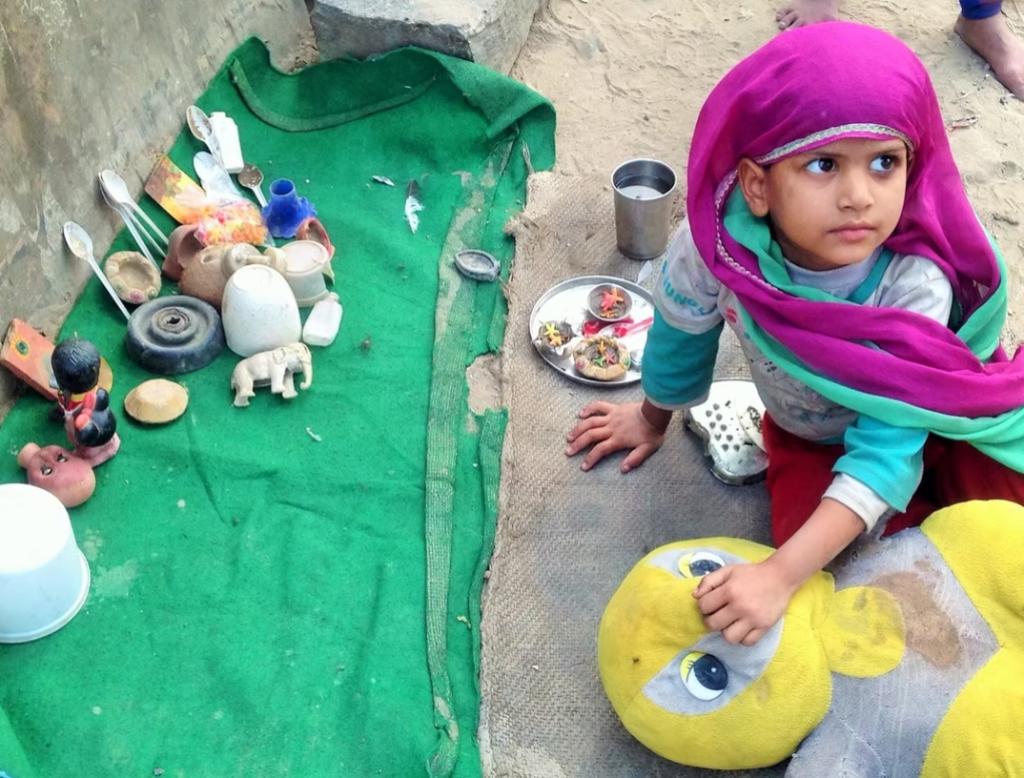
On the one hand, maybe it is an anthropological curiosity to see the life of our fellow humans, to bring some degree of understanding to the incomprehensible. I remember growing up, watching the (also very problematic) Comic Relief clips every year, showing just how little people had, and how hard it was for them just to survive. As a kid, watching this felt both horribly unfair and somewhat unreal.
When you have everything you need and a hundred times more, understanding how it could happen that people don’t even have enough to eat feels absurd. In the same way as, when I heard Notre Dame was burning, I just had to go see—not because the disaster made me happy, but because my brain needed to match what I heard with what I could see.
In some ways, I guess this impulse is quite human. It puts an end to our denial as to how much people are suffering—a suffering created by our lifestyles and our global economic system, which rely on deep inequalities.
The Dark Side of Poverty Tourism: Distrust, Distance, and Entitlement
But there is a darker element to white people’s desire to witness poverty firsthand. It stems partly from the fact that we often need to confirm for ourselves things we don’t fully believe when people of colour say them. We need to see it with our own eyes. Like men who need to re-press a button after a woman says it’s broken, just in case she got it wrong.
It’s the habit of the privileged: to trust only their own perception, and to disregard the lived experience of the less privileged.
Plus, witnessing extreme poverty is often about creating distance: about reassuring ourselves that “they” are very different from “us.” That the disaster can’t happen to us.
We can see this in the incredible ease with which white people accept social norms they would never tolerate at home. Expats in India get maids and treat them like dirt. At the French company I worked for in Delhi, our cook wasn’t allowed to eat with us. He had to eat alone in the kitchen. My colleagues accepted this kind of everyday violence as normal—something they would never do back in France.
The Slum Tourism Industry: Why It Exists
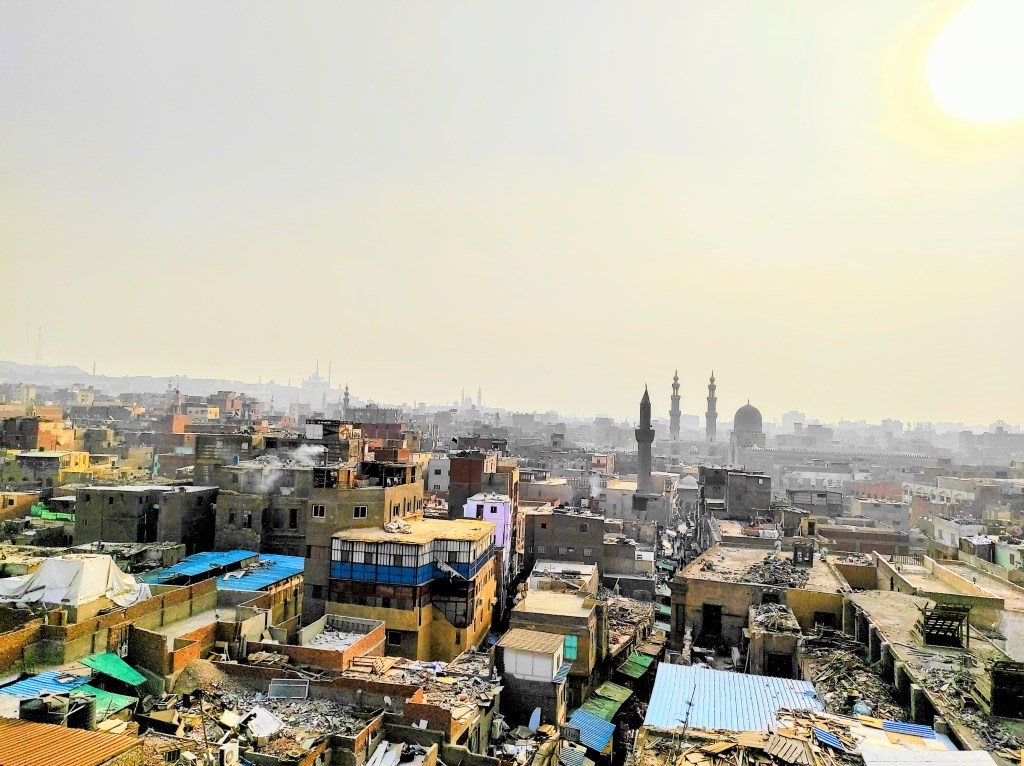
Whatever the reasons I felt the need to see poverty, the fact that I felt entitled to follow that desire is rooted entirely in my privilege—as a white person from the Western world. That privilege gave me a sense of ownership over the lives of brown people living in slums.
Today, there’s a whole industry born from that entitlement. In India and elsewhere, slum tours are now a marketed product. Tour guides bring tourists into people’s homes, into shanty towns, to “experience” the disaster of poverty.
But ask yourself: would you ever go walking around a neighbourhood in your own town, enter buildings, and gawk at people’s lives? Would you crash a funeral just to “witness grief”? Or walk through a hospital to “understand” sickness?
“They Look So Happy”: The Harm of Romanticising Poverty
Then there are the things white people say when they come out of the slums:
“They have so little, but they look so happy.”
“They know what really matters.”
We say these things to reassure ourselves that poverty comes with wisdom. That those suffering have a different mindset—simple, philosophical, happy with nothing.
But this romanticising of poverty is deeply harmful. It negates people’s real struggles and suggests that their suffering is somehow noble, meaningful, or even desirable.
It’s a form of poverty porn. And it gaslights those who dare to protest or demand more.
Turning Poverty Into Aesthetic: What It Says About Us
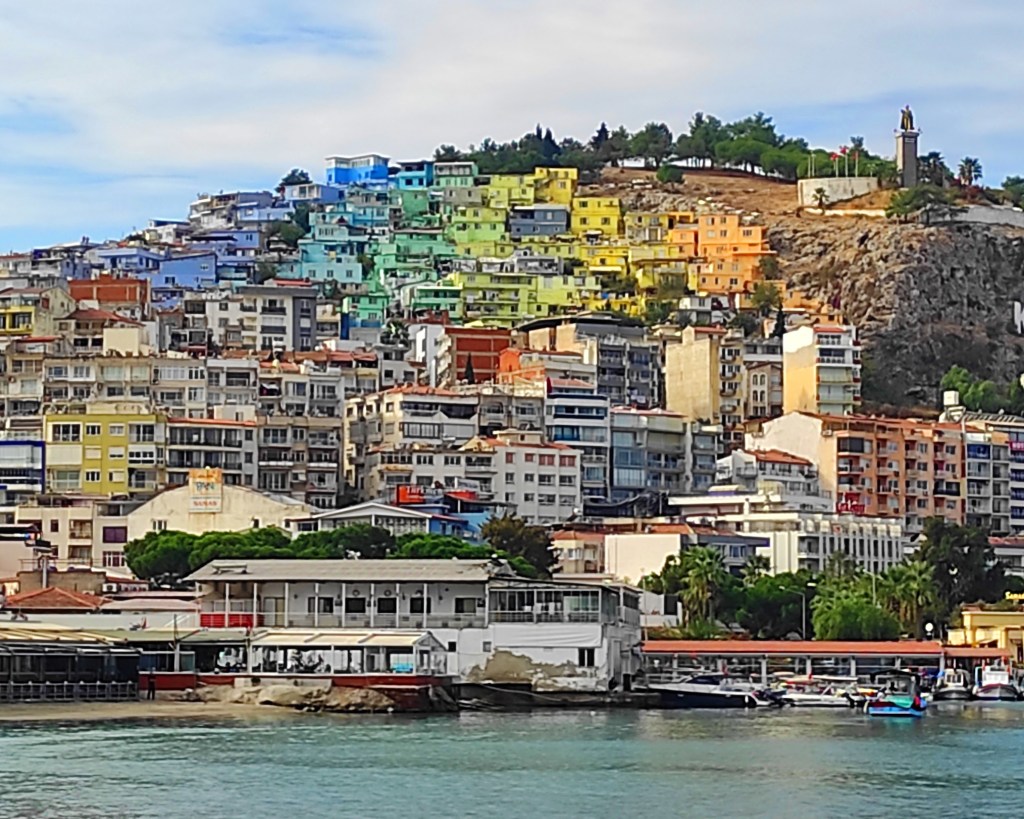
This is where the Western gaze gets particularly disturbing. We don’t just observe poverty—we aestheticise it. We look for the “charm” in simplicity, the “beauty” in suffering. We reduce entire, complex lives into one quick takeaway.
But poverty is not just about lacking things. It’s about lacking choices. Real poverty means you can’t plan, can’t dream. It is as much about a lack of agency as it is about a lack of food or housing.
Ultimately, what we admire and romanticise in poverty says far more about us than about the people we observe. It reflects the emptiness in our own lives: the burnout of consumerism, the alienation of individualism.
We long for simplicity and community because we’ve lost them. But crucially, we want those things by choice.
We don’t want the poverty that strips you of options. We want to choose minimalism while holding onto agency. That’s what draws us in. And it’s also what makes this whole dynamic so toxic.
It’s the same with community. We admire the closeness in poor communities, the support systems. But we ignore how that closeness can be a trap. Real community, when not chosen, can become oppressive. You don’t get to reinvent yourself. You can’t walk away.
We want curated, handpicked bubbles. They want survival.
Slum Tourism and the White Gaze: What Needs to Change
Western society makes us fertile ground for racist, classist, and sexist ideas. These ideologies grow silently within us. But they can also be uprooted—if we’re willing to confront ourselves.
And that’s the uncomfortable part.
We must ask why we think and feel the way we do—and accept that the answers might make us not like ourselves very much. But that’s where the real work starts.
Other articles you might enjoy:


Leave a Reply