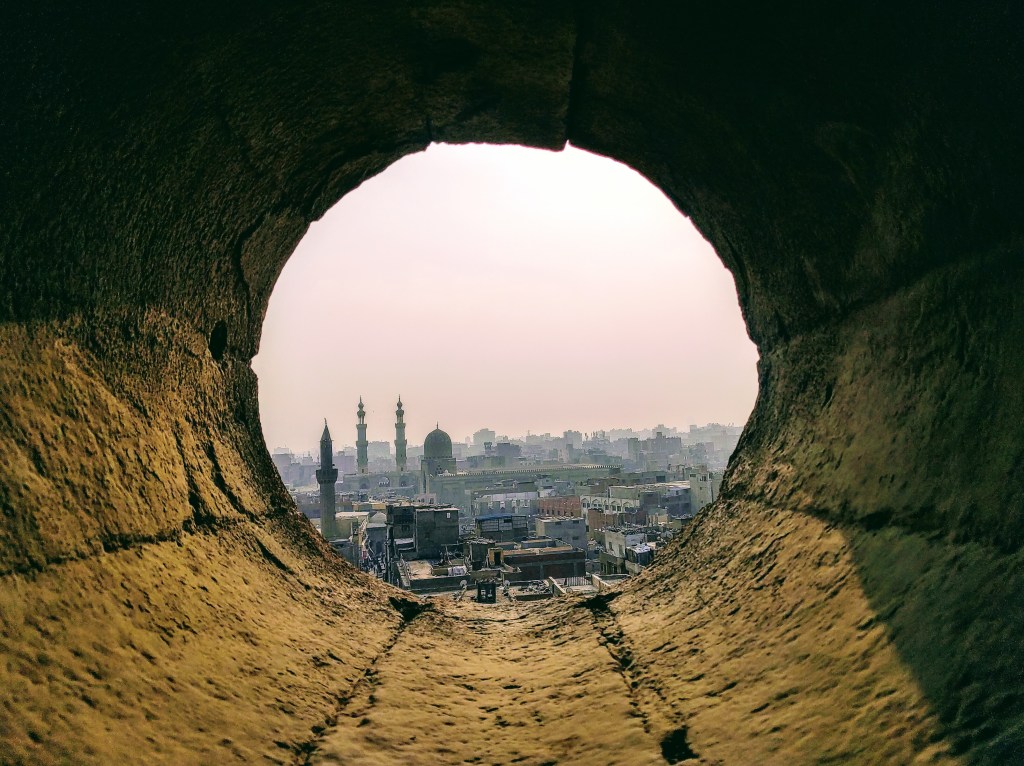
There is much more to see in Cairo than the infamous pyramids of Giza and the Egyptian Museum. Many tourists leave with a bad impression of the mega city, after visiting these two over-crowded sights. I highly recommend staying a few days and exploring Cairo deeper.
It is colorful, chaotic and one of the most fascinating urban centers in the world.

In fact, I fell a little in love with Cairo. Which is in-character for me. My dating life was long characterized by me overlooking glaring flaws to seek out the weird and wonderful.
I was smitten pretty much as soon as I got on a taxi from the airport. It drove me through 4000 years of human history. From the pyramids, past modern blocks of flats. From medieval mosques to 19th century mansions.
It would take a lifetime to know everything about this labyrinthine city, home to 22 million or so people. Every time I go I discover new places. Here is my list of the top ten unusual things to do in Cairo. I hope they will make you love this crazy place as much as I do!
Off-the-Beaten Track Cairo Travel
1. Explore the Backstreets of Islamic Cairo

Islamic Cairo is the historic heart of the city. This is where the Fatimid dynasty established their capital when they conquered Egypt in 969 CE. They named it Al-Qahira, which translates to the vanquisher in English, and gave the modern city its name.
Today, Islamic Cairo remains very atmospheric, it is a labyrinth of medieval buildings, gorgeous mosques and intricately carved shops. There is so much exceptional architecture that many buildings go unnoticed and unpreserved, some falling into ruin.
The best thing to do is just get lost in the small streets. Stop for street food or coffee in one of the shops and stalls you will find along your way.

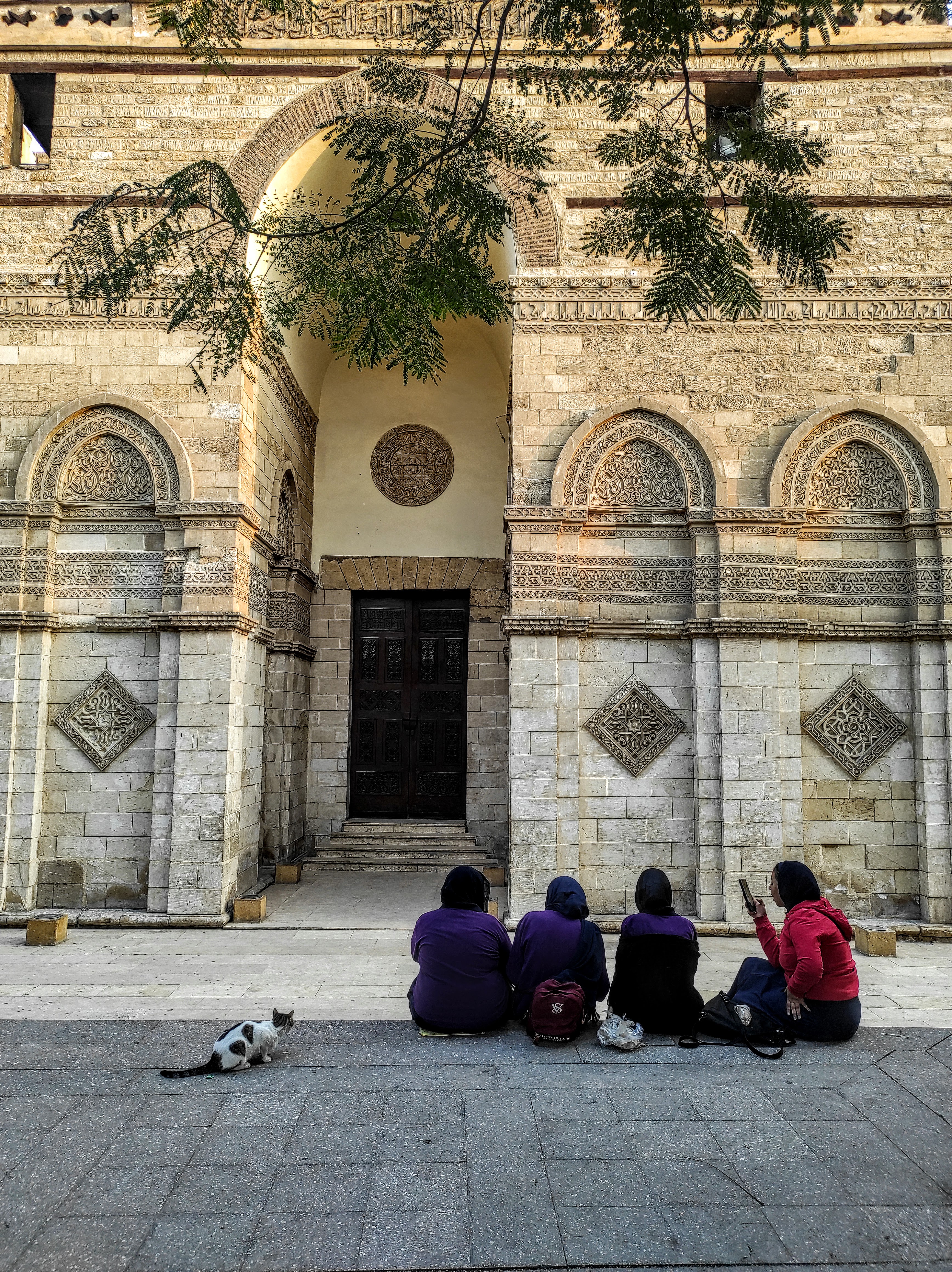

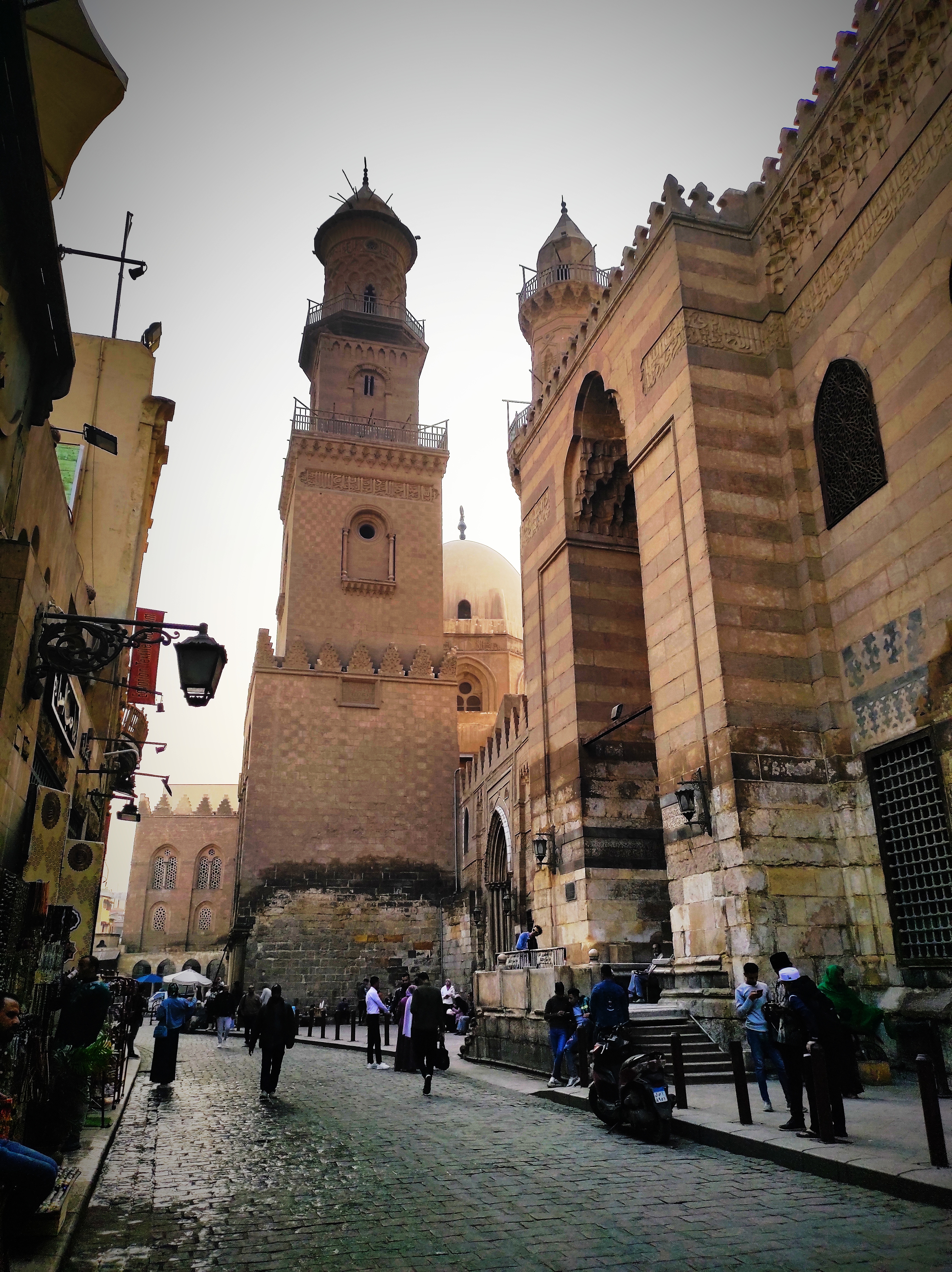
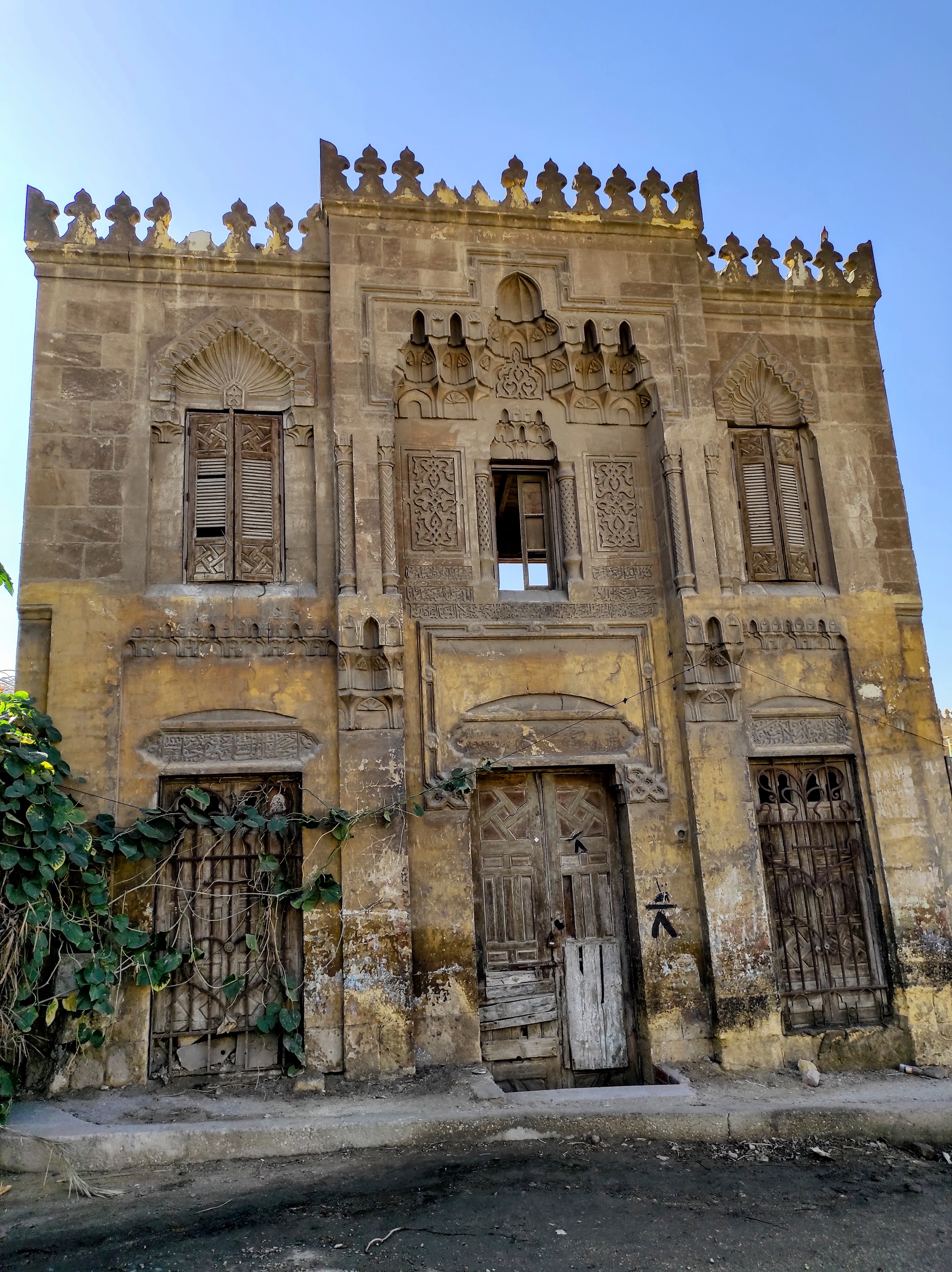
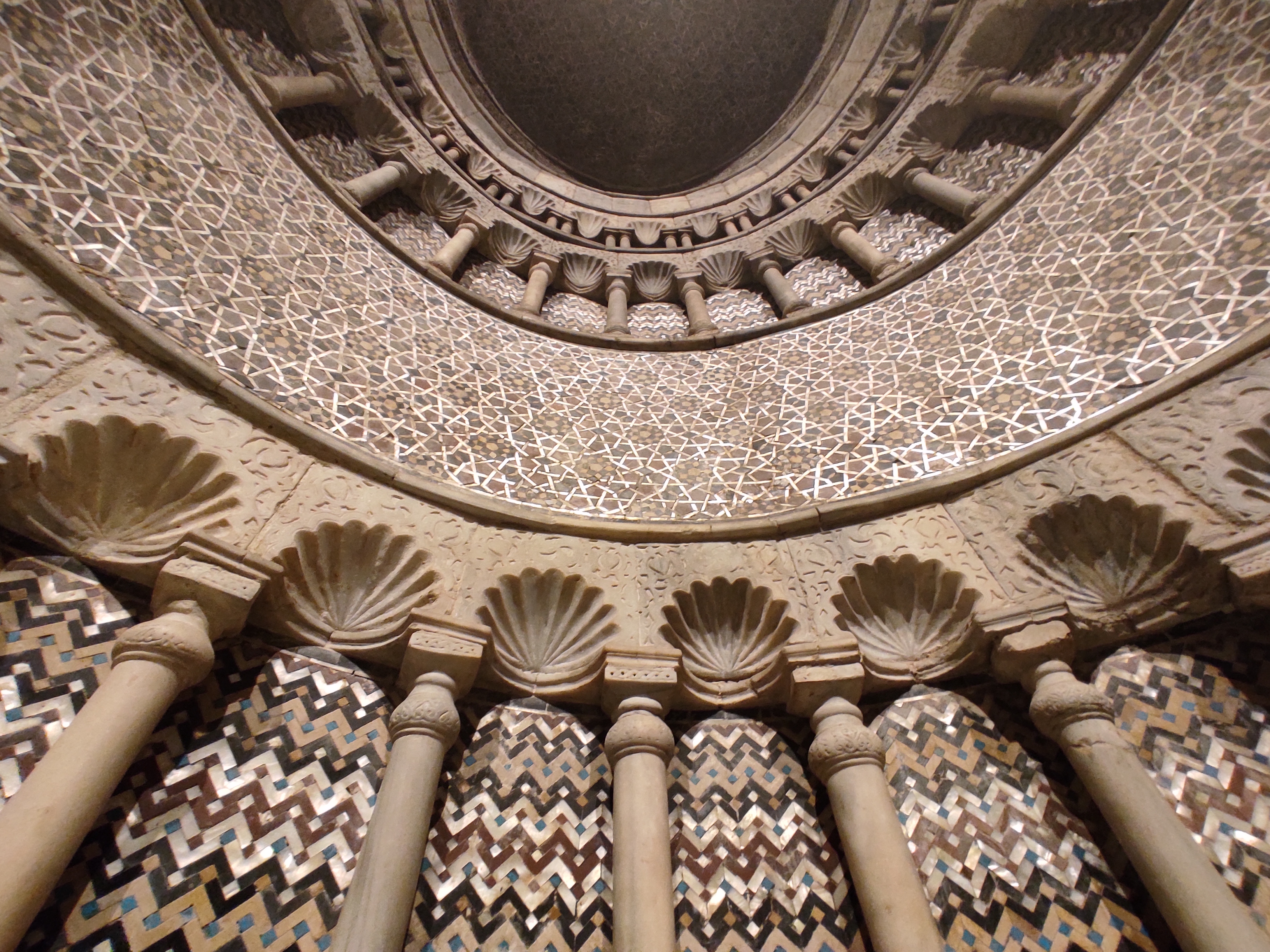

It is a large area, and you can spend several days walking around Islamic Cairo. Don’t miss the Mosque of Sayyidna al-Hussein, one of the most sacred Islamic sites in Egypt. The grandson of Prophet Mohamed is said to be buried in the minaret.
Nearby Al-Azhar Al-Sharif is home to the oldest university in the world. It was founded in 970 CE, although it didn’t obtain university status until 1961.
2. Visit Traditional Workshops For Unique Handcrafted Souvenirs
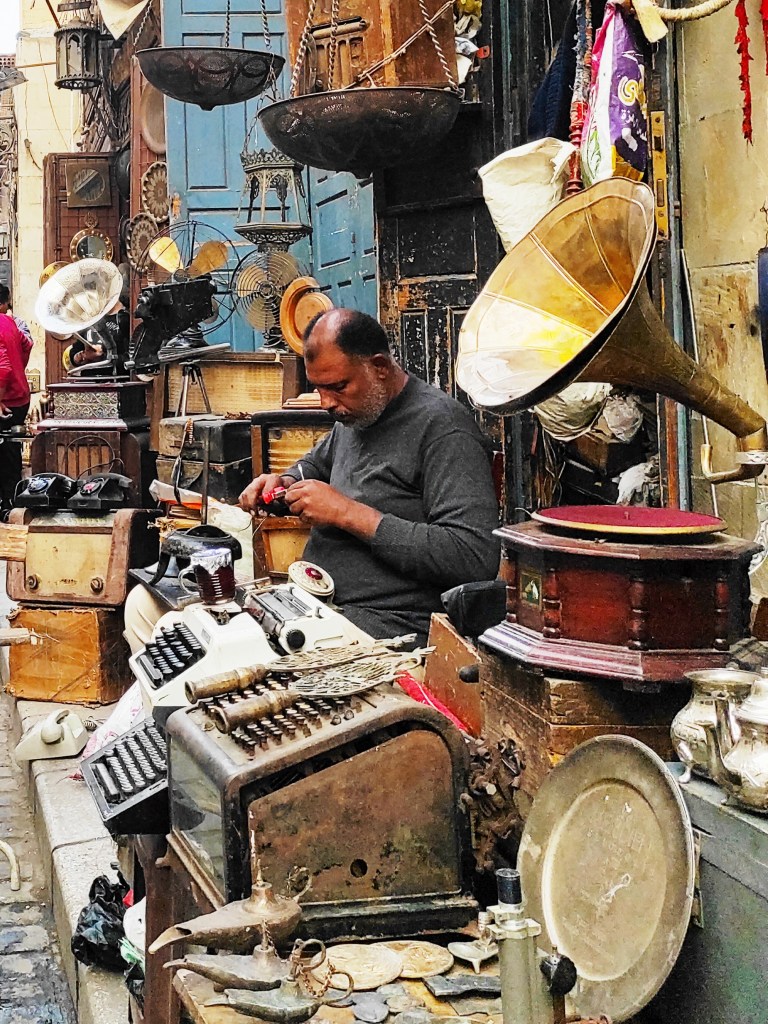
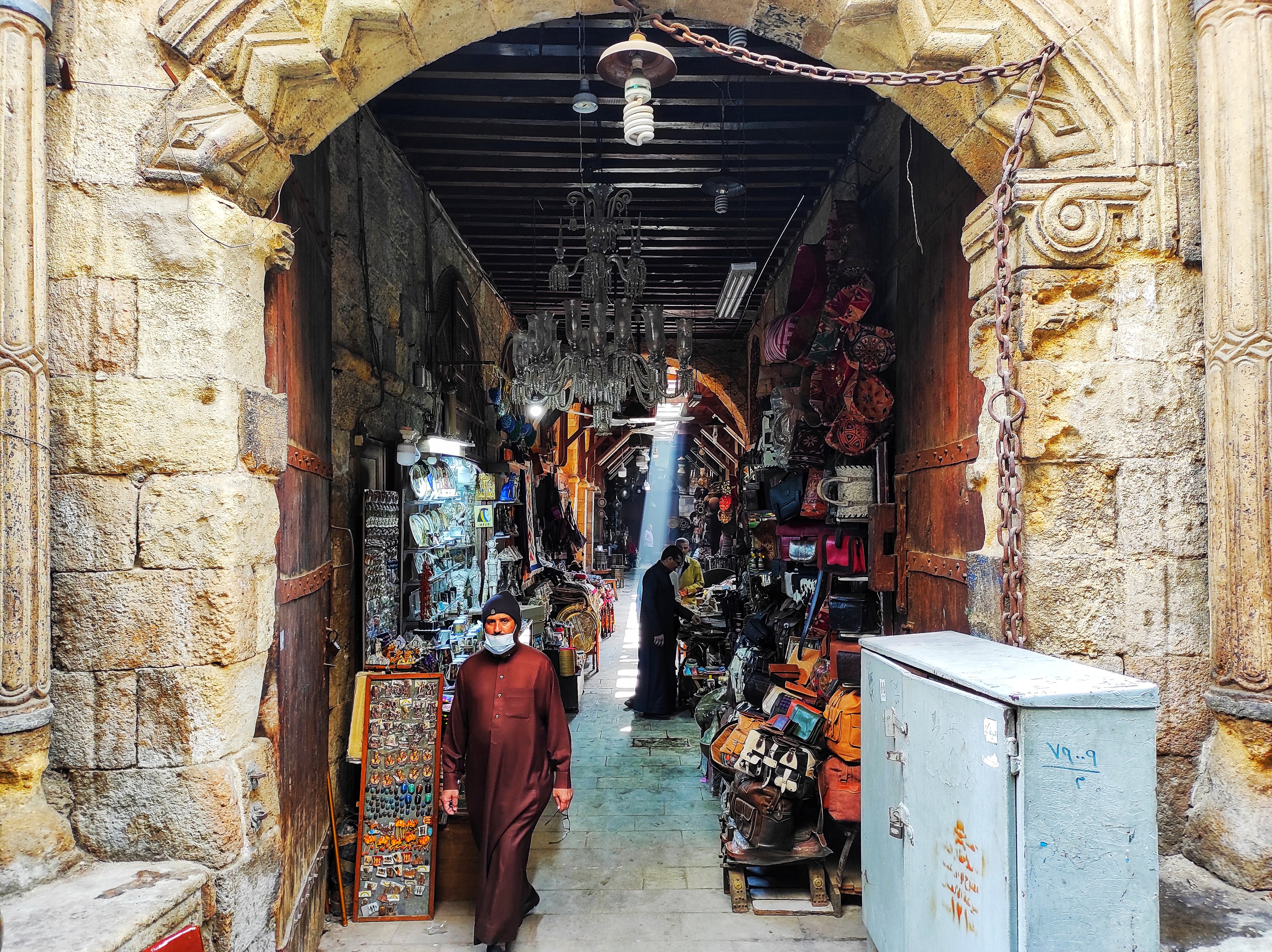
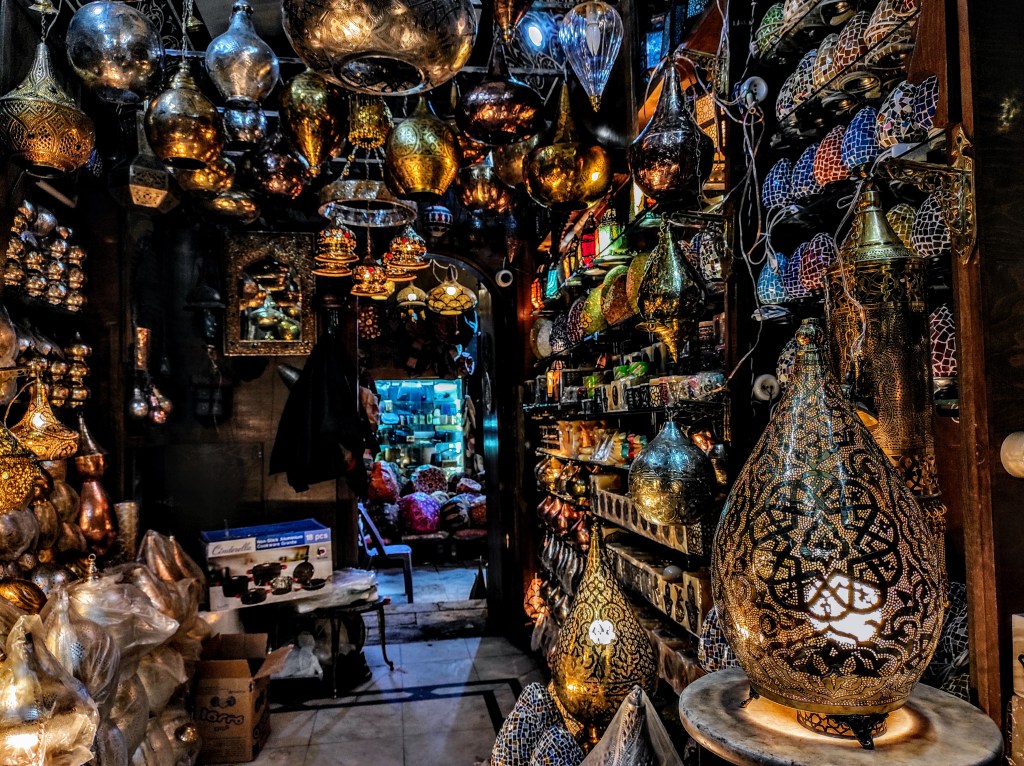
One of Cairo’s top tourist sites is the famous Khan al-Khalili bazaar. Generations of craftspeople have sold their wares here since the 14th century.
Today, the center of the market is dominated by tourist tat. Ideal if you are looking for souvenirs or pharaonic paraphernalia.
Far more interesting is the vast market that spreads out far beyond the touristic center. You can find everything locals need, from pottery to galabeya (men’s long robes).
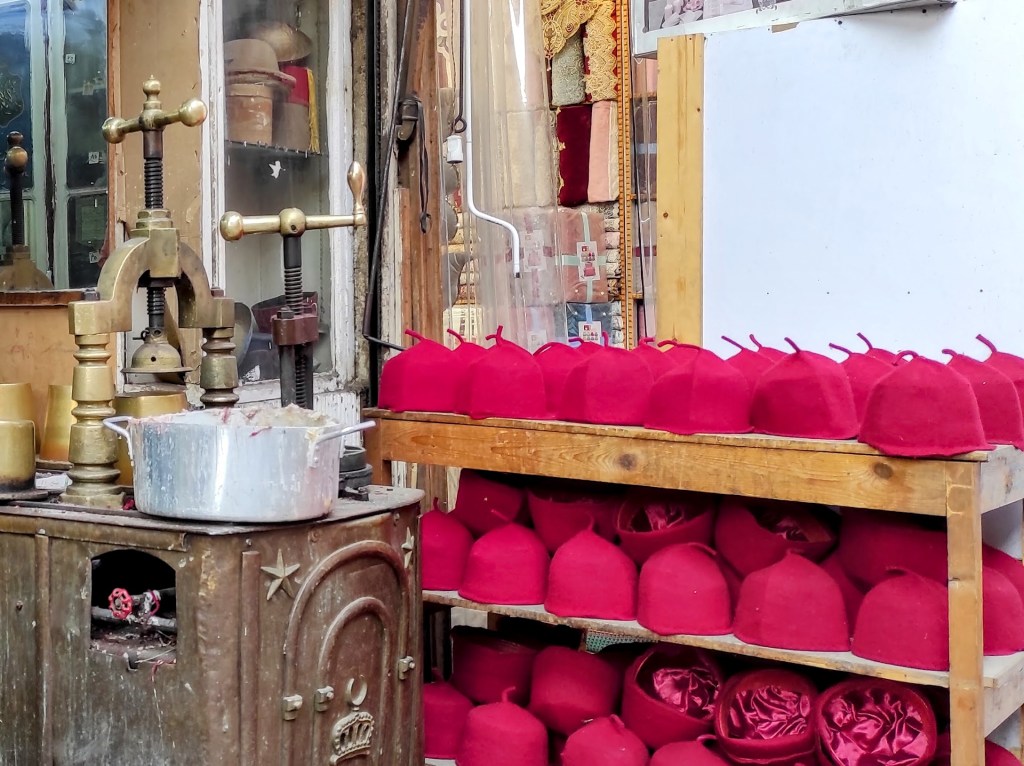
These narrow streets are also home to many craftspeople. You can meet Egypt’s last book binder and last fez maker. Walk down a street full of tent makers and another of coppersmiths.
It’s a fascinating market, and very atmospheric. When you run out of energy, stop in one of the many tea shops to recharge.
This will be a running theme in this article — Cairo is better discovered while caffeinated and well-fed. And as you’ll see in the next section, there is a lot of wonderful food to be had!
3. Street Food
One of my favorite things about the streets of Cairo is the machines that churn out fresh bread! They seriously look like printers, but instead of rage and frustration they emit the smell of freshly baked crust!
For me, the best food in Egypt is served piping hot from a market stall or cart. There are so many options for quick snacks, and as a bonus, many of them are naturally vegan.
Egyptian Street Foods You Need to Try
Kushari
Macaroni pasta, mixed with rice, topped with lentils, spicy tomato sauce and crispy friend onions. It is Egyptian comfort food at its best!
Ta’ameya
Ta’ameya, or Egyptian falafel, are made with fava beans rather than chickpeas. They’re usually loaded with fresh herbs and spicy, and served crispy from the fryer in a thin pita bread.
Baba ghanoog
Grilled aubergine puree, its smokey, garlicky and moreish. Also served in a pita, often accompanied with pickled chili peppers.
Feteer
Often described as Egyptian pizza, feteer is more like a layered flaky pie. Buttery pastry encloses cheese and other toppings.
4. City of the Dead

The City of the Dead is a surprisingly lively place. The Al-Qarafa Necropolis, as it is known to locals, is one of the oldest Islamic cemeteries in the world. Some Mausoleums date back to the 8th century. It is the finally resting place of many Egyptian scholars, artists and politicians.
The cemetery is also home to thousands of — living — families. There are schools and shops and street food stands, all of them housed in tomb complexes. Gravestones are dotted in the streets. People use tombs as their kitchen table and hang their washing up between domed roofs.
Some of the population have lived here for generations, the descendants of cemetery guardians and their family. Others moved here more recently, as urban expansion made housing in the city difficult.
For some people, living in a cemetery may seem morose. in reality, these tombs were always made to be incorporated into daily life. One of the Sultan’s tomb complexes includes a mosque, a madrassa and a resting place for animals. Even the smaller mausoleums held spare beds, for relatives coming to visit the graves of their loves ones. Later, part of the homeless population would find shelter here.
The city of the dead is a very dynamic place. The only resemblance to a cemetery as we know it is the silence. There are no cars here, and it makes a welcome break from the rest of the city.
Unfortunately, new development plans include the demolishing of large swathes of the City of the Dead.
5. The Cave Church
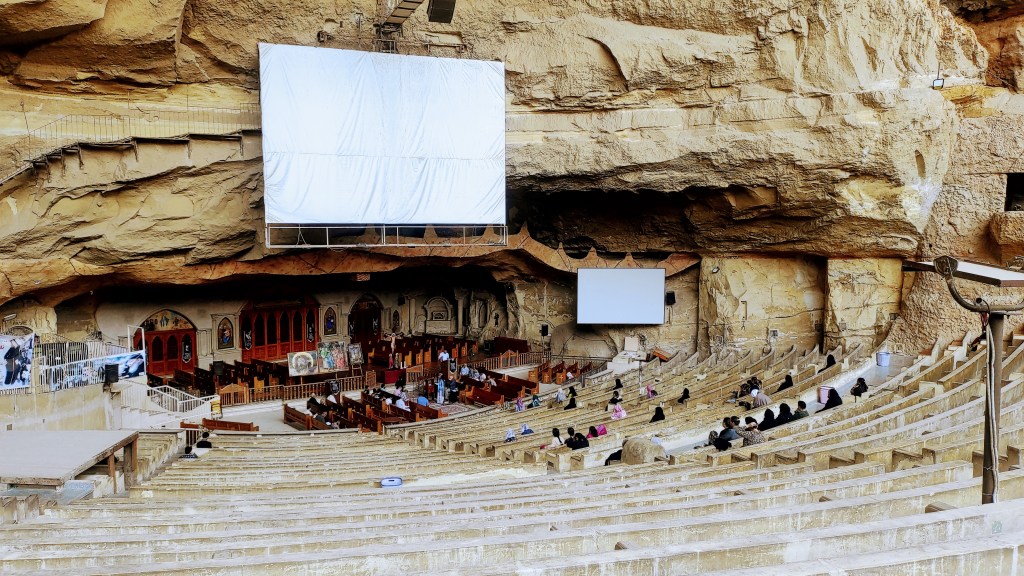
The Cave Church, also known as Saint Simon Monastery, is built into the rock of Mokattem Mountain. It is the biggest church not only in Egypt, but in the whole of the Middle East.
It seats 17 000 individuals and is surrounded by a complex of smaller churches. Some of them are built in former hermit caves.
It is a fun place to look round. After visiting, climb onto the roof of the nearby restaurant for sweeping views of the rest of the city. In the foreground is the area known as the “garbage city”. It is well worth a walk through on your way back towards the city center.
5. The “Garbage City”

The Zabbaleen – which translates to garbage sorters in Egyptian Arabic – are a community of Coptic Christians. They have handled Cairo’s waste for generations. Originally, the Zabbaleen were farmers who migrated to Cairo in the 1940s. They were given a disused quarry at the base of the mountain to live in.
They started handling the city’s waste because they owned pigs, a rarity in a country with a majority of Muslims. The pigs would eat all the natural waste. The combination of garbage management and producing pork for tourist hotels was a lucrative niche that the Zabbaleen filled.
Today, the Zabbaleen still handle most of the city’s trash. They collect garbage from people’s homes, sort it, and reuse or resell the raw materials. The Zabbaleen achieve an 80% recycling rate, which is one of the most effective waste management systems in the world.
However, many of the Zabbaleen continue to live in poverty, and the “Garbage City” neighborhood is filled with garbage bags. This densely populated slum area is both the Zabbaleen’s living space and their working space.
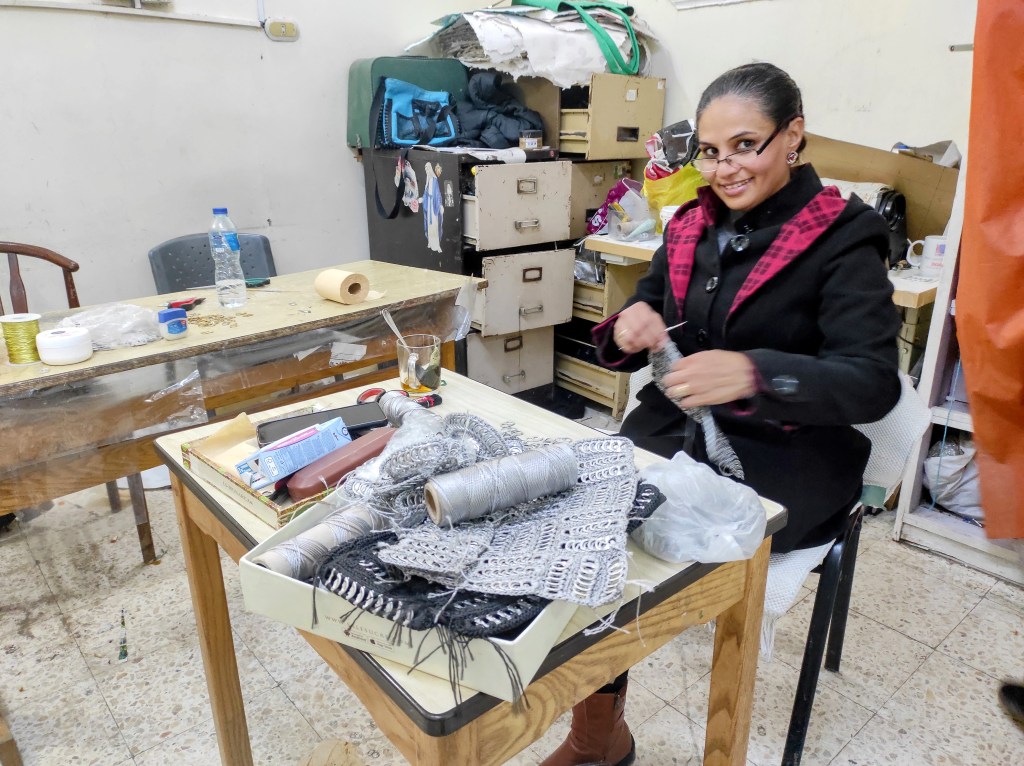
You can explore the “Garbage City”, also known as Mansheyat Nasir, on your own. Locals are very friendly and will often stop you to practice their English. However it is far more interesting is to get a tour with a local guide. They can explain the intricate business that is done here. Visiting with a local helps avoid the problematic trend of poverty tourism.
If you’d like to learn more about the Zabbaleen community I wrote about their work in Conde Nast Traveler.
Tip! Always be respectful, and ask people before taking their photos.
6. Eat an Egyptian Breakfast
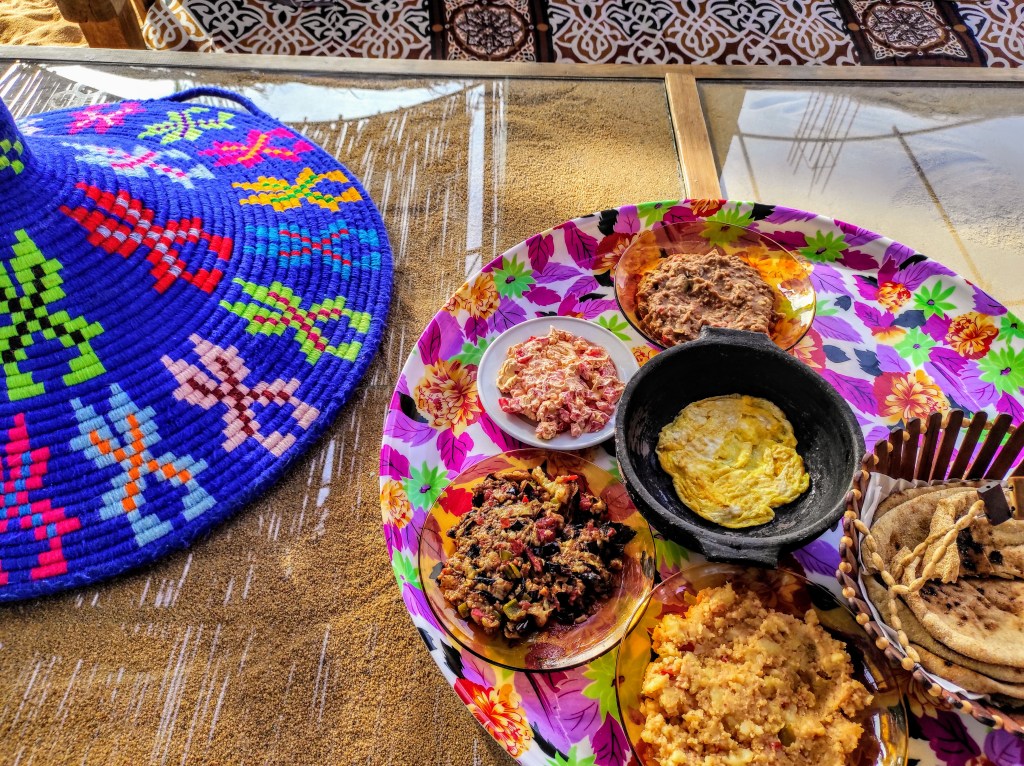
I warned you there would be a lot of mentions of food in this article!
Breakfast is seen as the most important meal of the day in Cairo. When you order an Egyptian breakfast, you can expect a spread. Several tasty, vegetarian mezze dishes will be accompanied with crisp pita breads and a strong coffee.
The most common breakfast dish is ful – pronounced fool. Which is what you would be if you missed out on it. It is a puree of fava beans with spices and salt. It is a nutritious and filling start to the day. It is often served with other small plates of grilled aubergine, salads and cheese.
7. Make Friends with Cats
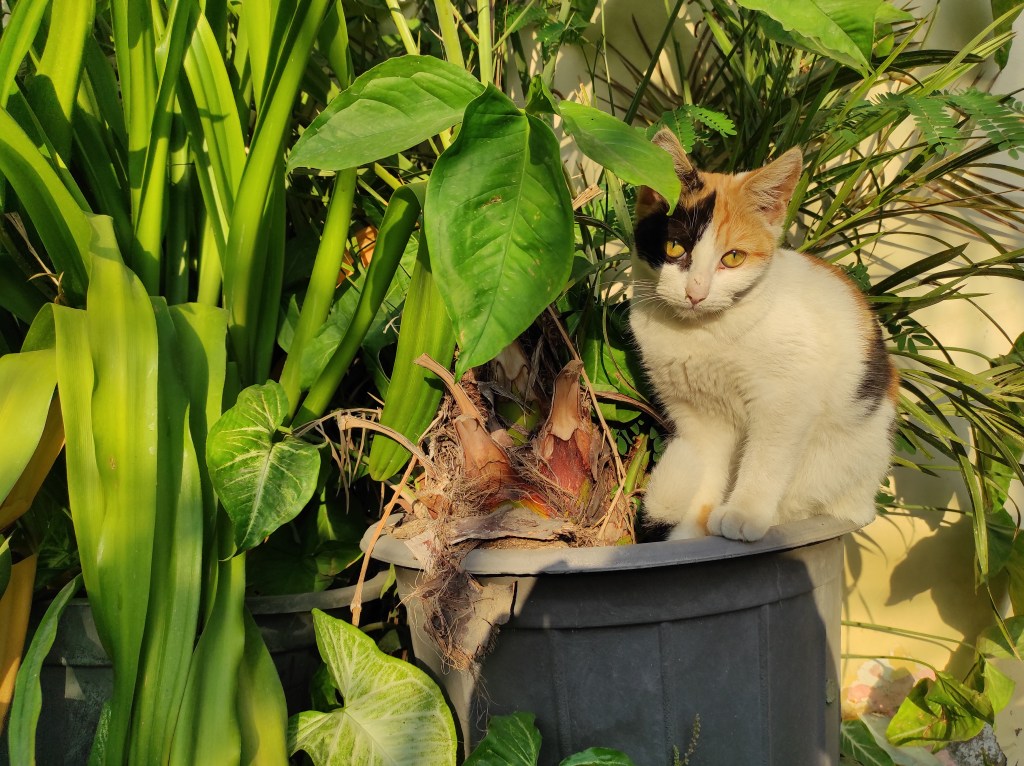
Cats aren’t as worshiped in modern day Egypt as in the time of the Pharaohs. Back then ,they were believed to share certain traits with the gods. I’m sure most cats agree with the claim.
Nonetheless, Cairo is still home to loads of street cats, and residents often leave food out for them.— at times you will see crowds of cats gathering on squares for their dinner.
It can be upsetting to see so many stray animals. If you would like to help out, you can donate to American Cairo Animal Rescue.
9. See Street Art
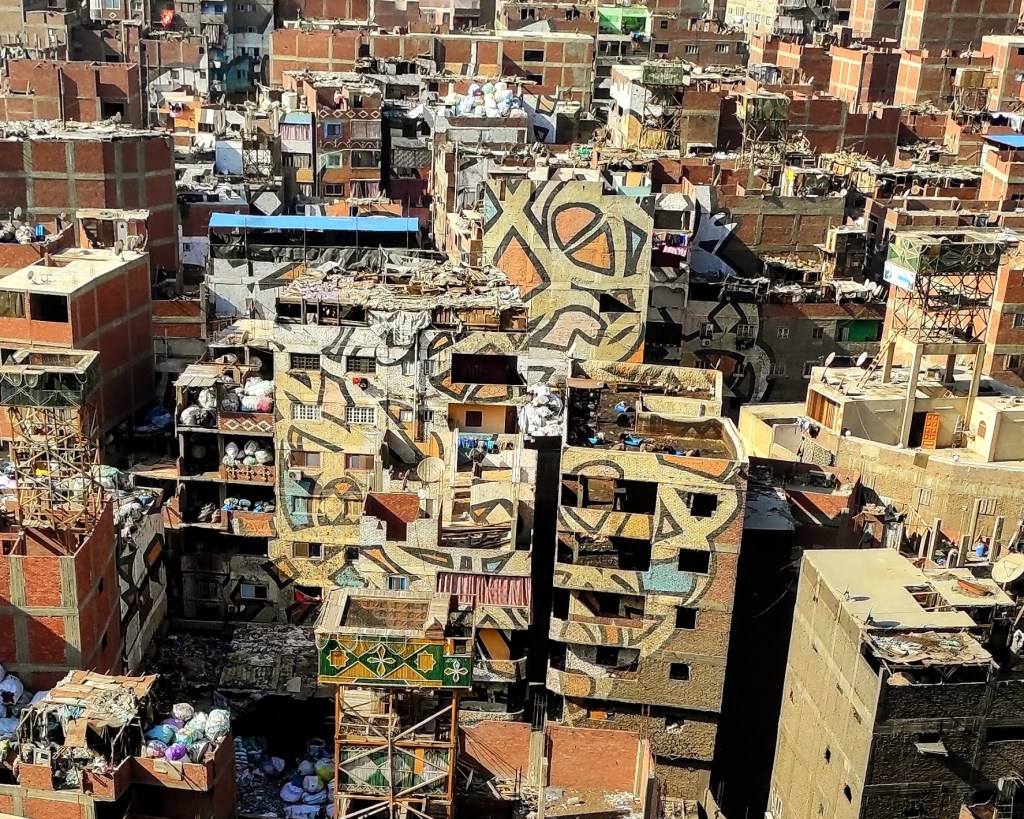
During the Arab Spring, millions of Egyptians took to the streets to protest, and some to paint powerful political murals. Street art became an important form of protest, and it remains deeply ingrained in Cairo’s culture.
The past few years have seen a crackdown on people voicing their discontent in Egypt. Political graffiti are quickly removed. There are still many beautiful, less controversial paintings to be found throughout the city.
My favorite is a massive artwork that spans several across several buildings in the Garbage City. From the Cave Church, you can see the work in its entirety, forming a piece of Arabic Calligraphy. In colorful letters, it reads: “If one wants to see the light of the sun, he must wipe his eyes.” It was painted by French-Tunisian artist eL Seed.
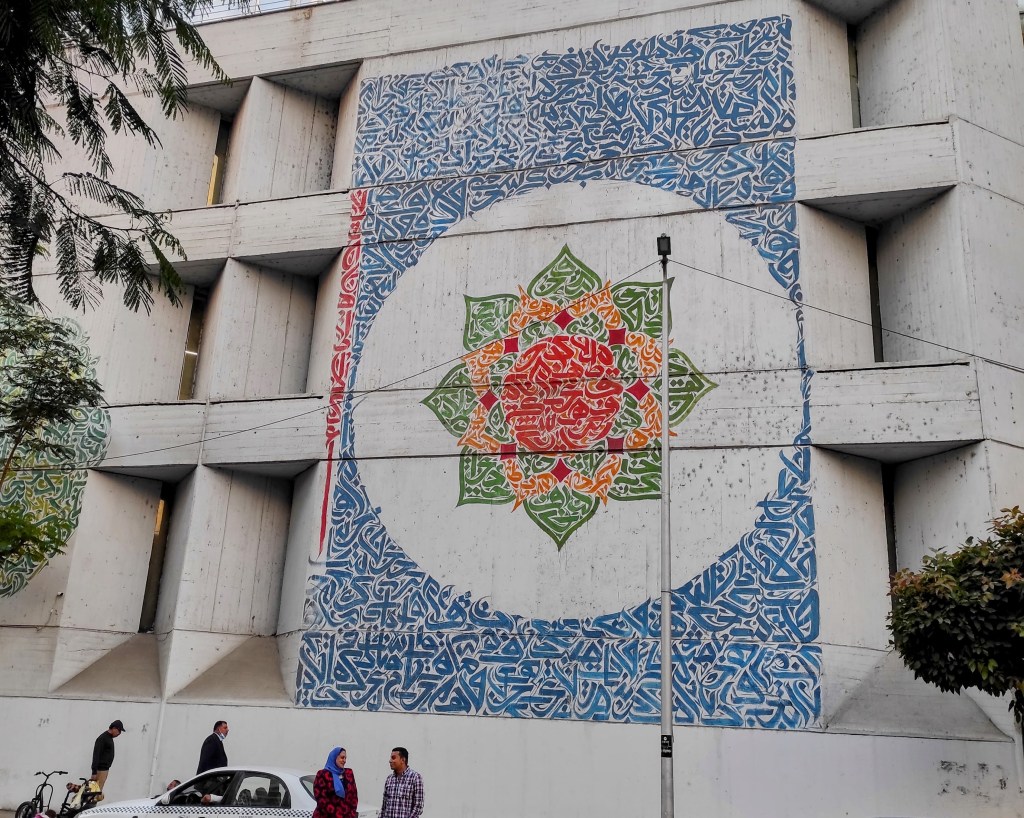
If you would like to learn more about graffiti and art in general, Qahrawya organizes Cairo Art Tours. Find them on Instagram.
10. Climb a Minaret
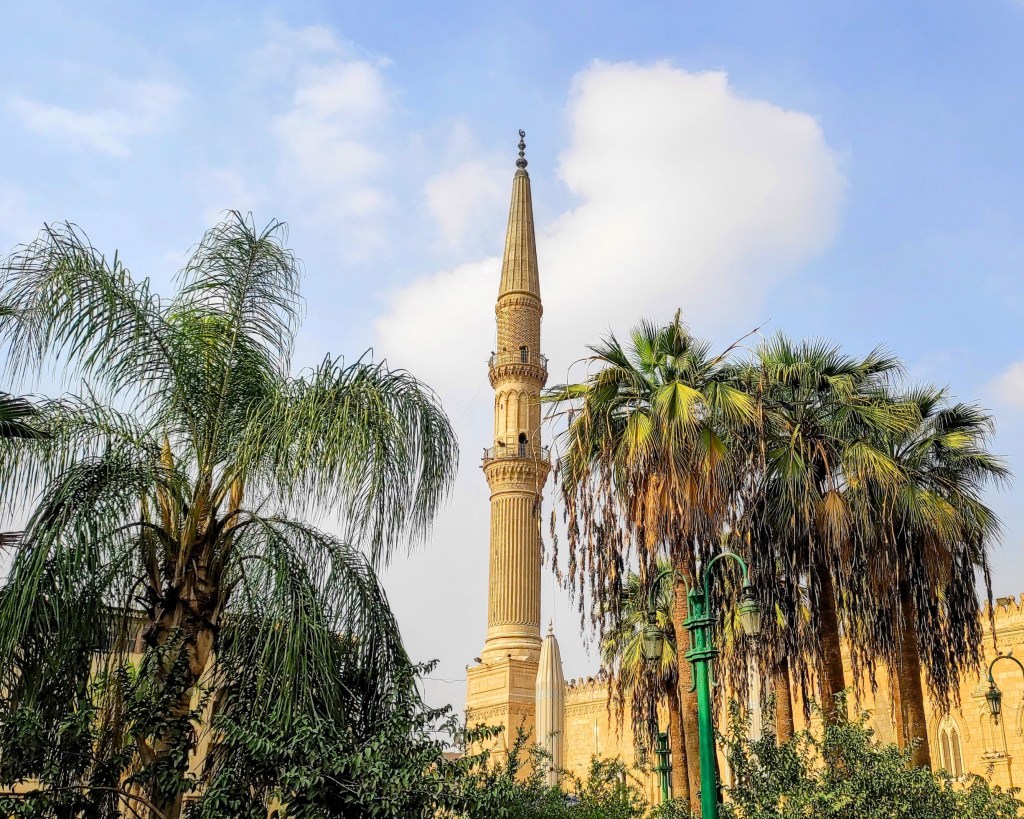
If a strange man beckons you in a narrow alleyway, gesturing towards a stair case, don’t be worried. More often than not, they will simply show you up to the top of a Minaret. There are so many, especially in Islamic Cairo. In fact, Cairo is sometimes known as “The City of a Thousand Minarets”. I while I didn’t count them to check, I reckon that’s a pretty good estimate.
Most mosques have one of these slender towers, with a balcony at the top. That’s where the muezzin stands to make the call to prayer. You’ll also find great views over the city.
Agree a price with your guide, often the gatekeeper of the tower, before going up. Usually, a baksheesh of a few Egyptian pounds will be enough.
Tip! Keep cash in small denominations for this kind of situation
Practical Advice for Cairo Travel

Getting There and Away
Cairo Airport has connecting flights to most of the world. From there, you can catch a bus into the city, or take a cab for around 10–20$. I recommend downloading Uber before you arrive. Booking an Uber from the airport means you can avoid dealing with the sometimes aggressive taxi drivers.
In some cases, it might be cheaper to fly to Hurghada, where many low-cost airlines offer routes to Europe. A five hour bus connects Hurghada to Cairo.
Unfortunately, it is almost impossible to get to Egypt overland because of the instability in surrounding countries. The land borders with Gaza, Israel and Libya are currently closed. There are boat services to Jordan and to Saudi Arabia from the Sinai peninsula. Boats also ply along the Nile into Sudan.
Visas
Most nationalities require a visa for Egypt. You can apply for an E-Visa a couple of weeks before you travel. If you leave things to the last minute like me, get a visa on arrival.
To do this you need to swing by one of the bank booths in the arrival hall. Bring 25$ in cash, either euros or dollars, and buy an entry stamp. You then take this to the border control, who glue it into your passport and stamp it.
It’s slightly longer than just showing your e-visa. On the plus side, the Visa sticker is one of the most beautiful I have ever seen. You can make your better organized friends jealous.
You need 6 months left on your passport, regardless of how long you plan to stay.
Where to stay in Cairo?
There are plenty of budget options in Downtown Cairo. I stayed at Dahab Hostel, where the rooms are very simple (think prison cell), but there is an amazing rooftop. Its perfect when you need a break from the chaos. Sit among the cats and the plants, sipping tea on a bed of cushions. The breakfast is delicious and the showers are hot.
Although the idea of having a pyramid view is enticing, I don’t recommend staying in Giza. You’ll be constantly in the midst of the tourist hassle. People will try to convince you to get a camel ride every time you step out of your door. It is also quite far from the other places to discover in Cairo.
A good solution is to book one night with a pyramid view, so you can enjoy sunrise and sunset. Then move to accommodation in the city.
Where to eat in Cairo?
There are many fantastic restaurants with cuisine from all over the world in Cairo. You will easily find what you are looking for.
My top recommendation is to sample all the street food you can find. The falafel, flaky feteer pizza and deliciously marinated meats are some of the best food I’ve tasted. Plus it’ll cost you less than $2.
Frequently Asked Questions (FAQs) about Cairo Travel
Is it safe to travel to Cairo now?
Cairo is generally safe for tourists, and most people you meet are very friendly. As in all cities, watch out for petty crime like pickpocketing. Take extra care if political demonstrations are going on.
The situation can change quickly. Always check updated travel advisories from your country before traveling. These can inform you about any specific or current risks you may face.
Is Cairo Safe for Solo Women Travelers?
Many solo women travelers report unwanted attention from men when traveling to Cairo. Groping is a common problem on public transport.
Most of my trip went smoothly, and I only met a couple of creepy guys. It is still a place I would definitely be on guard.
If it makes you feel more comfortable, consider pairing up with someone to explore the city. Rideshare apps can be a safer alternative to public transport, especially at night.
How many days do you need in Cairo?
Four days to a week is ideal to explore Cairo’s main neighborhoods. This gives you plenty of time to visit touristic attractions, and get lost in narrow old streets. .
How to get an Egyptian Travel Visa?
Most travelers can apply for an e-visa online through Egypt’s official visa portal. Alternatively, visas on arrival are available at Cairo International Airport for certain nationalities. Make sure your passport is valid for at least six months beyond your arrival date.
How much does it cost to travel to Cairo?
Egypt is a good country for travelers on a tight budget. When I was there, I spent under 20USD per day. I stayed in a hostel, ate mainly street food, and traveled around by foot or by Uber.
Does Cairo suffer from over tourism?
Cairo’s top attractions, like the Pyramids of Giza, can get crowded, especially during peak season. However, the city’s size and diverse neighborhoods mean that there’s always somewhere less crowded to explore.
When is the best time to visit Cairo?
The best time to visit Cairo is between October and April. Temperatures are cooler during this period, ranging from 15°C to 25°C (59°F–77°F).
Have you traveled or lived in Cairo? Let me know your own hidden gems in the comments!
Other articles you might enjoy:
Is Slum Tourism Ethical?
How to Always Have the Best City Breaks
How to Prepare Your Mental Health Before Traveling: A Complete Guide
 Shortcuts and Side Qests
Leave a comment