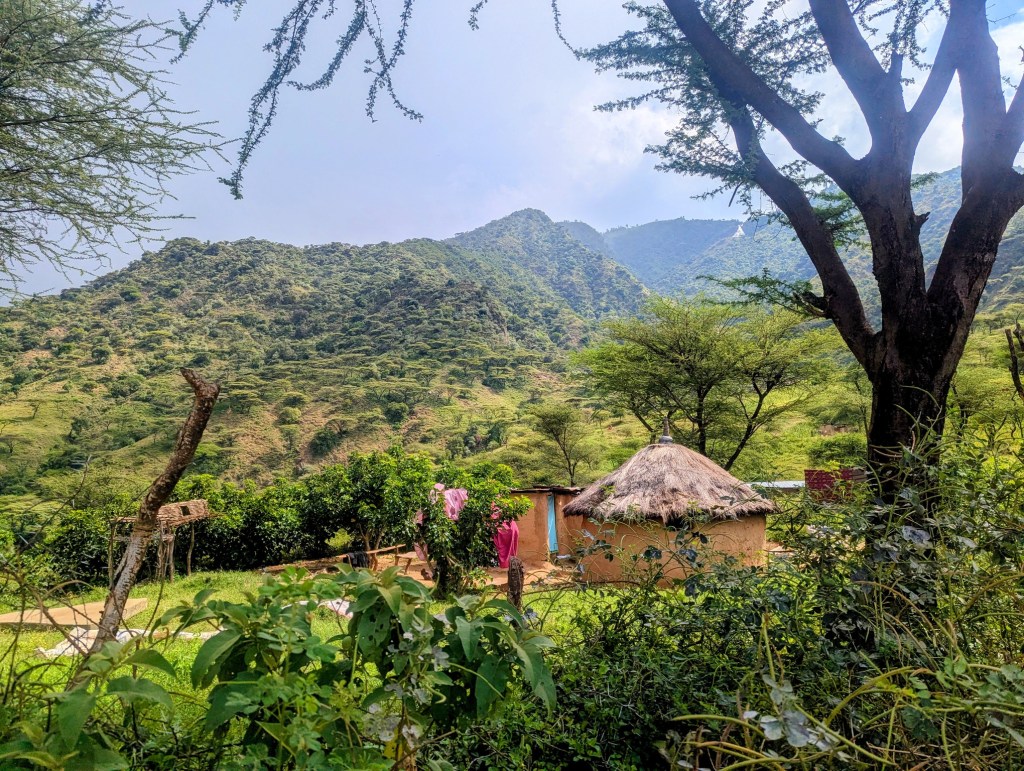
The road spread like a winding ribbon up the mountain, emerging onto a viewpoint. A sheer cliff that fell hundreds of metres vertical, revealing the flat expanse of the Great Rift Valley of Kenya.
This was an absolute highlight of our motorbiking trip around Africa, and had some of the most striking geography of anywhere I have been.
Stretching more than 6,000 kilometres from Lebanon down to Mozambique, the Great Rift Valley is a vast geological trench that carves its way across East Africa — and Kenya is home to some of its most dramatic landscapes.
It is a must visit for anyone travelling around Kenya. After the plains and grasslands inhabited by giraffes, lions and wildebeest, it is a welcome change to enter lush green mountains, to hike in the cooler temperatures, chase waterfalls and run away from hippos at lakes.
In this guide, you’ll find everything you need to know about what the valley is, where to visit, and how to experience it for yourself.
Where Is the Great Rift Valley?

In East Africa, tectonic forces are slowly pulling the Earth’s crust apart, creating a massive trench that stretches over 6,000 kilometers from Lebanon in the Middle East down to Mozambique in Southern Africa.
This is the Great Rift Valley.
Kenyan’s portion of the geological wonder is an expanse of flatness flanked by steep cliffs and volcanic peaks, with lakes tucked away amongst them. The landscapes are like none I have ever seen: it really is like someone chopped vertically down and extracted a slice of earth.
The Great Rift Valley of Kenya is not only a geographical wonder, but also a historical one. Archaeologists consider it one of the birthplaces of humankind, with discoveries such as the 1.6-million-year-old “Turkana Boy” fossil, a nearly complete skeleton of a Homo Erectus boy, offering clues about our earliest ancestors.
Fun Facts About the Great Rift Valley in Kenya

- The Great Rift Valley marks an area where the Africa tectonic plate is gradually splitting into two separate plates: the Somali and Nubian plates.
- Over millions of years, it will become the site of a new ocean.
- The Great Rift Valley spands 6,400 kilometers (4,000 miles, almost as large as the the distance between London and New Delhi).
- It passes through 12 countries – Lebanon, Syria, Israel, Palestine, Jordan, Ethiopia, Eritrea, Djibouti, Kenya, Tanzania, Malawi and Mozambique
- The valley has tons of humanoid fossils, including the Turkana Boy, found in Kenya, and Lucy, discovered in Ethiopia.
- Almost half of Kenya’s energy comes from geothermal sources in the Rift Valley, making it a leader in clean energy production.
- The Great Rift Valley of Kenya is home to several indigenous communities, including Maasai, Kalenjin, Samburu, Kikuyu, Turkana and more.
The Great Rift Valley of Kenya: A Complete Travel Guide
You don’t have to be a geology nerd to have fun in the Great Rift Valley. Although you might be one by the time you leave. It is a place of beautiful villages with round mud hut houses, between green mountains, and dotted with lakes.
Top Things to Do in the Great Rift Valley of Kenya
Hiking and Biking at Hell’s Gate National Park
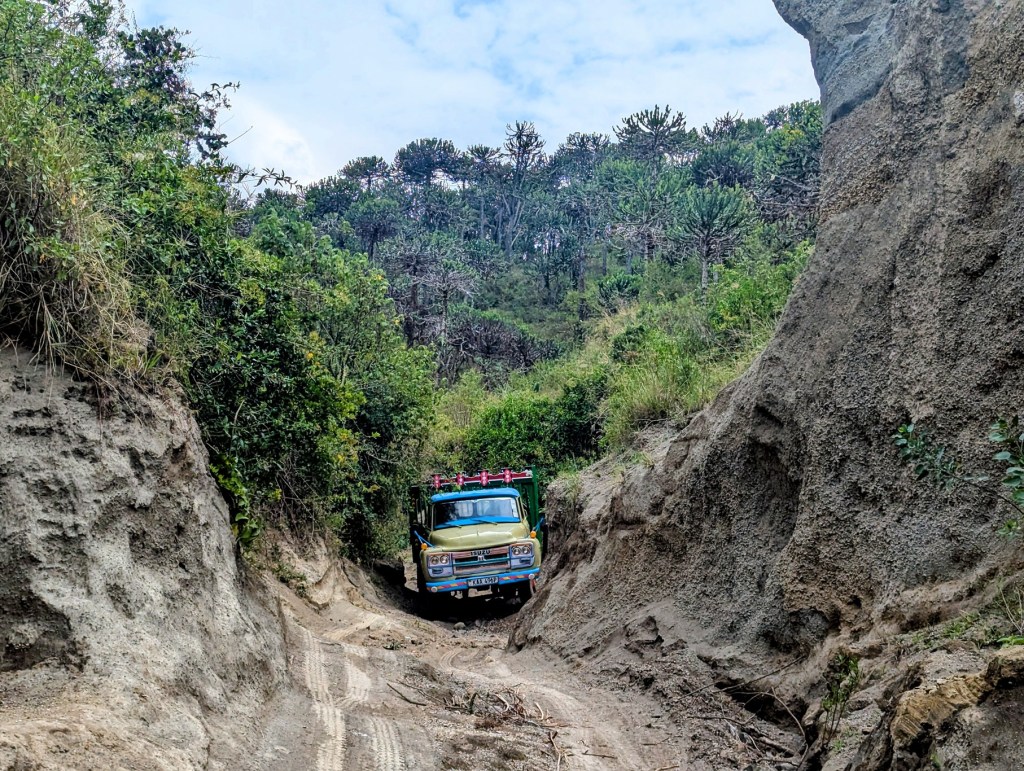
The scenery in the Lion King, with its dramatic rock formations and canyons, was inspired by Hell’s Gate National Park. Interestingly, the park has no lions. Which means you can actually explore on foot, bicycle, or even by rock climbing. Cycling past zebras and giraffes, surrounded by dramatic scenery, is a highlight of many a trip to Kenya.
Hippo Watching and Canoeing on Lake Naivasha
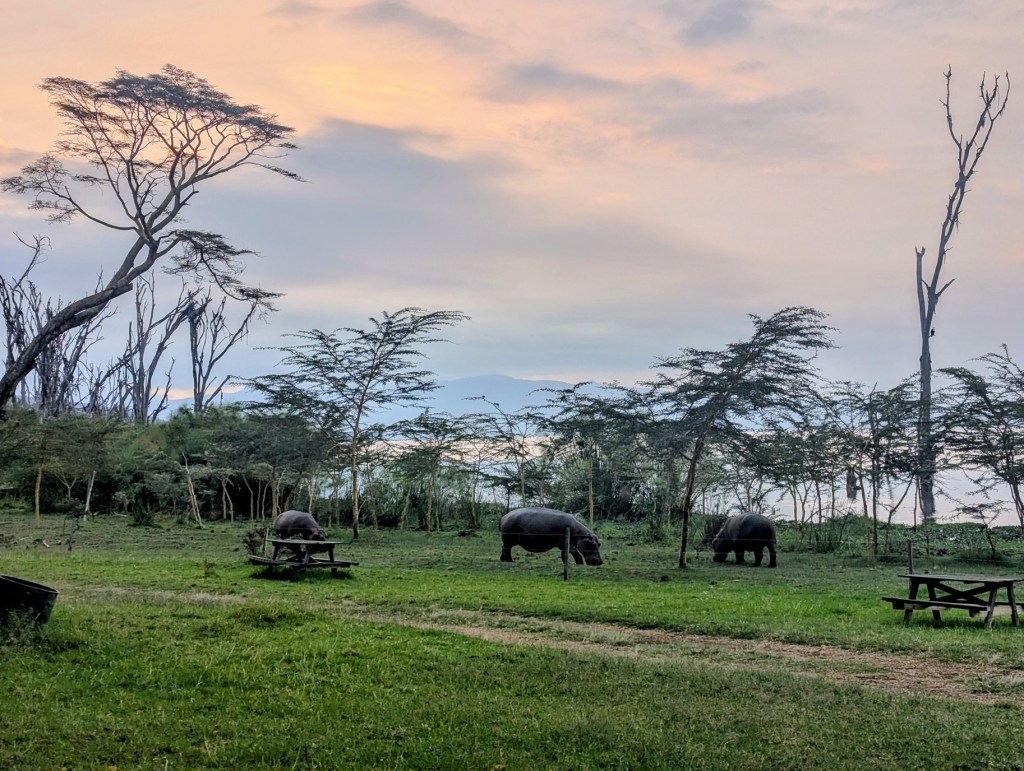
Lake Naivasha is a vast stretch of water, inhabited by countless birds and plentiful hippos. On one side is the town of Naivasha, and around the lakeside are many camps and lodges that are great places to relax. You can enjoy boat trips on the lake, go for a hike through Crescent Island, rich in wildlife, or simply spend peaceful days at your camp.
We stayed at Fisherman’s Camp, right on the lake, and a hangout spot for about a dozen hippos. They were seperated by a small electric fence, although on two occasions during our five night stay, they found their way through into the campground.
We were slightly nervous, as our tent was distinctly hippo shaped and colored .
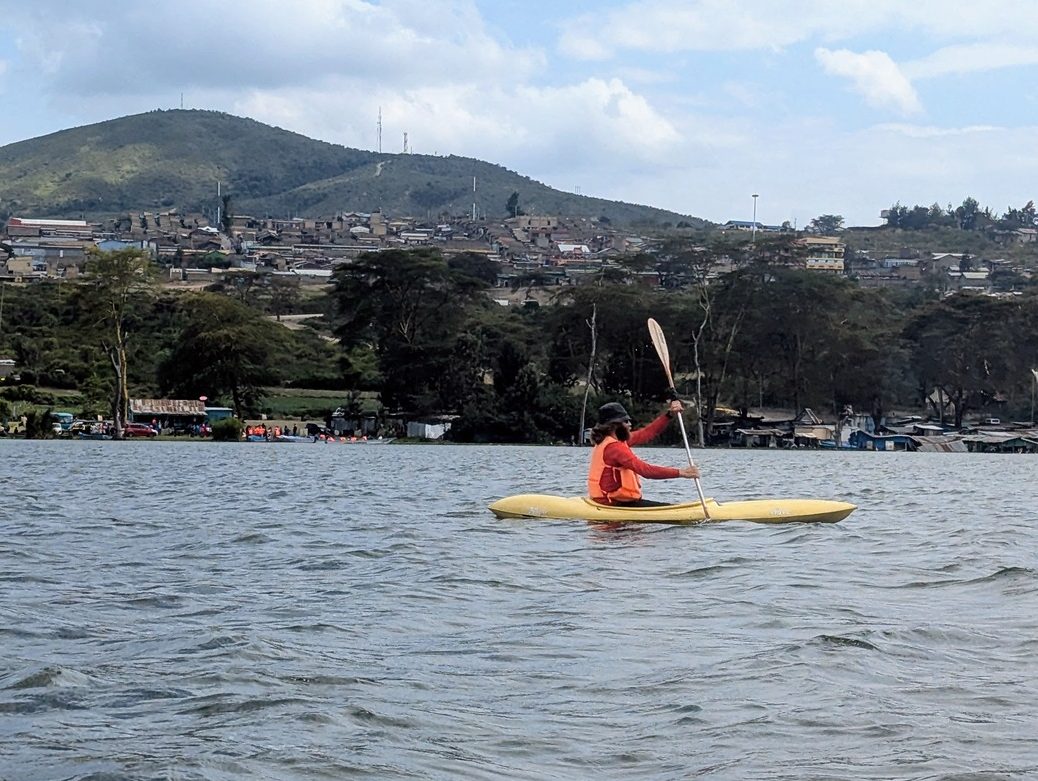
Fisherman’s Camp rents out canoes, which is a fun experience. A fisher boat drives you out past the hippo territory to drop you off, then you can explore as much as you like – staying away from the hippo filled shallows.
Climb Mount Longonot
Close to Lake Naivasha is one of Kenya’s best mountain climbing experiences. The ascent of Mount Longonot takes 3-6 hours. It starts with a 3 kilometre climb of the volcano, then a walk around the crater rim, with dramatic views both towards the inside of the crater, and out.
Run With the Champions in Iten

Kenya is famous for its record breaking runners, and many of them originate from, or train in, the small town of Iten in the Rift Valley.
Perched on the mountainside, it is an attractive place to visit, and there are a growing number of running retreats where you can train alongside the greats. As you walk round town, you might spot famous athletes including Beatrice Chebet and Edna Kiplagat.
Hike Through Farms, Up and Down the Great Rift Valley
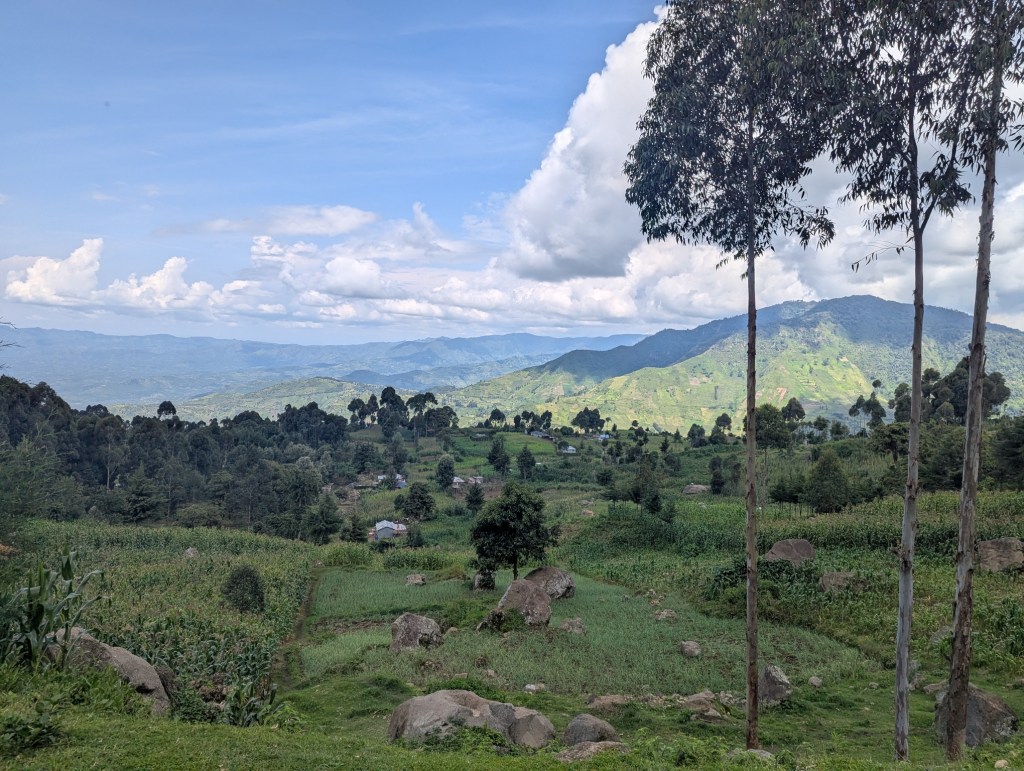
In the area around Iten, you will find great places to run, but also some amazing hikes that you don’t need a guide for – a rarity in East Africa.
We stayed at Lelin Overlanding Campside in Kessup, at the top of the cliff, and walked from there down to the valley floor. The trail goes through hidden villages and farms tucked on the side of the mountain. It was absolutely spectacular. Some trails pass close to people’s homes, so be respectful.
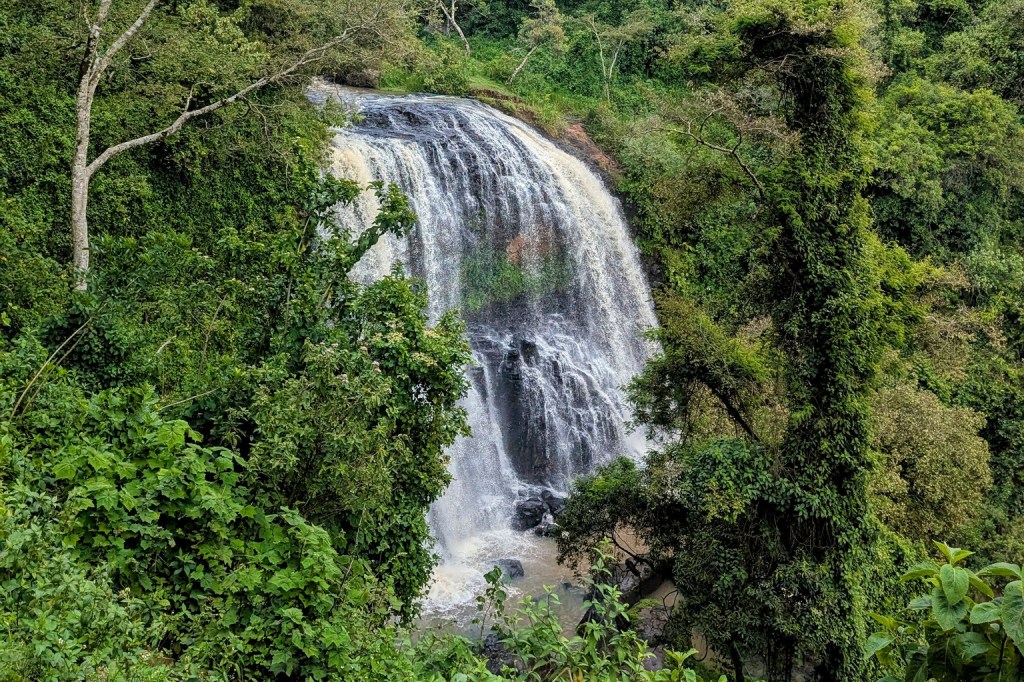
The next day we went in the other direction to the Kessup waterfall and through the surrounding forests.
Spot the Big Five at Lake Nakuru
Nakuru is the biggest city in the Great Rift Valley of Kenya, and it is a pleasant place, located at 1850 metres, which keeps the temperatures mild, and right next to the vast Lake Nakuru.
Lake Nakuru has the most biodiversity of any of the lakes of the Rift Valley, with over 450 bird species and 83 mammal species. In fact, it is one of the best places in Kenya to go on safari and spot the big five (lions, leopards, elephants, buffalos and rhinos). A game drive around the vast glimmering lakje, fringed in rolling hills and grasslands, is an unforgettable experience.
Discover Prehistoric Remains Near Lake Elementaita
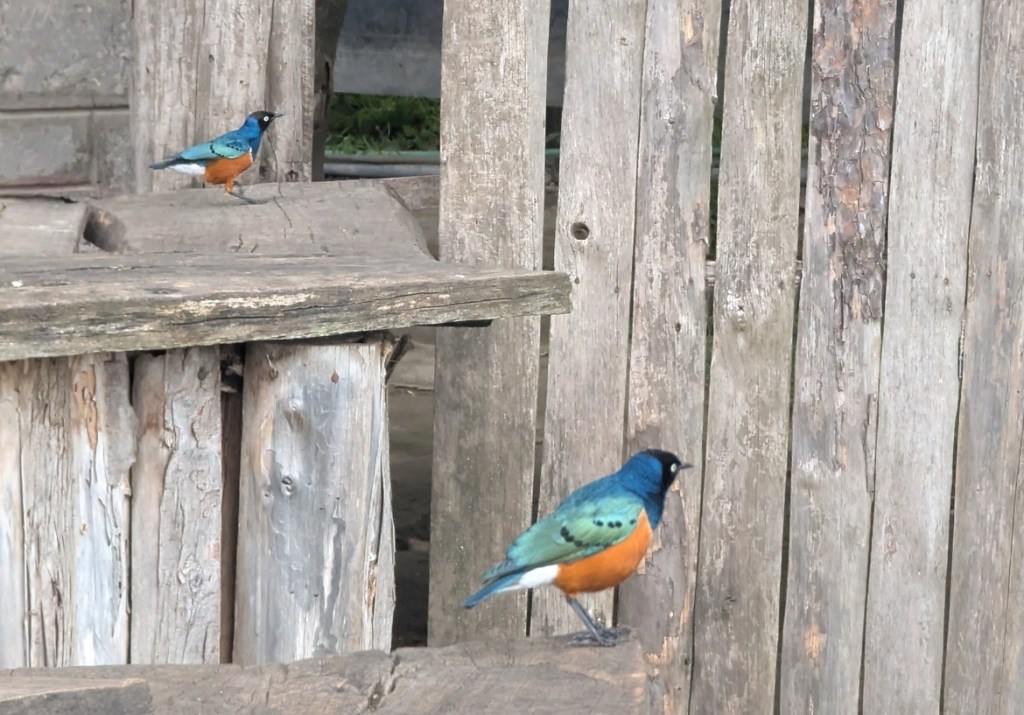
Lake Elementaita is quieter than Lake Nakuru or Lake Naivasha, and is known for its many pink flamingos, as well as over 400 other bird species.
Nearby, the Kariandusi Prehistoric Site is interesting for history buffs and stone age enthusiasts. The site is around 1 million years old, and is a place where many hand axes were made. You can see the tools, and other artefacts, at the on-site museum. A guide will take you around a nature path, and explain the significance of Kariandusi.
See the World from Great Rift Valley Viewpoints
As you drive the winding roads around the Great Rift Valley, you will come across many breathtaking viewpoints. Some have stalls selling chai and wooly hats. One of the most famous viewpoints is on the road from Nairobi, and will likely offer your first views of the valley if you are arriving from the capital.
Drive a Motorbike Down the Cliffside of Great Rift Valley
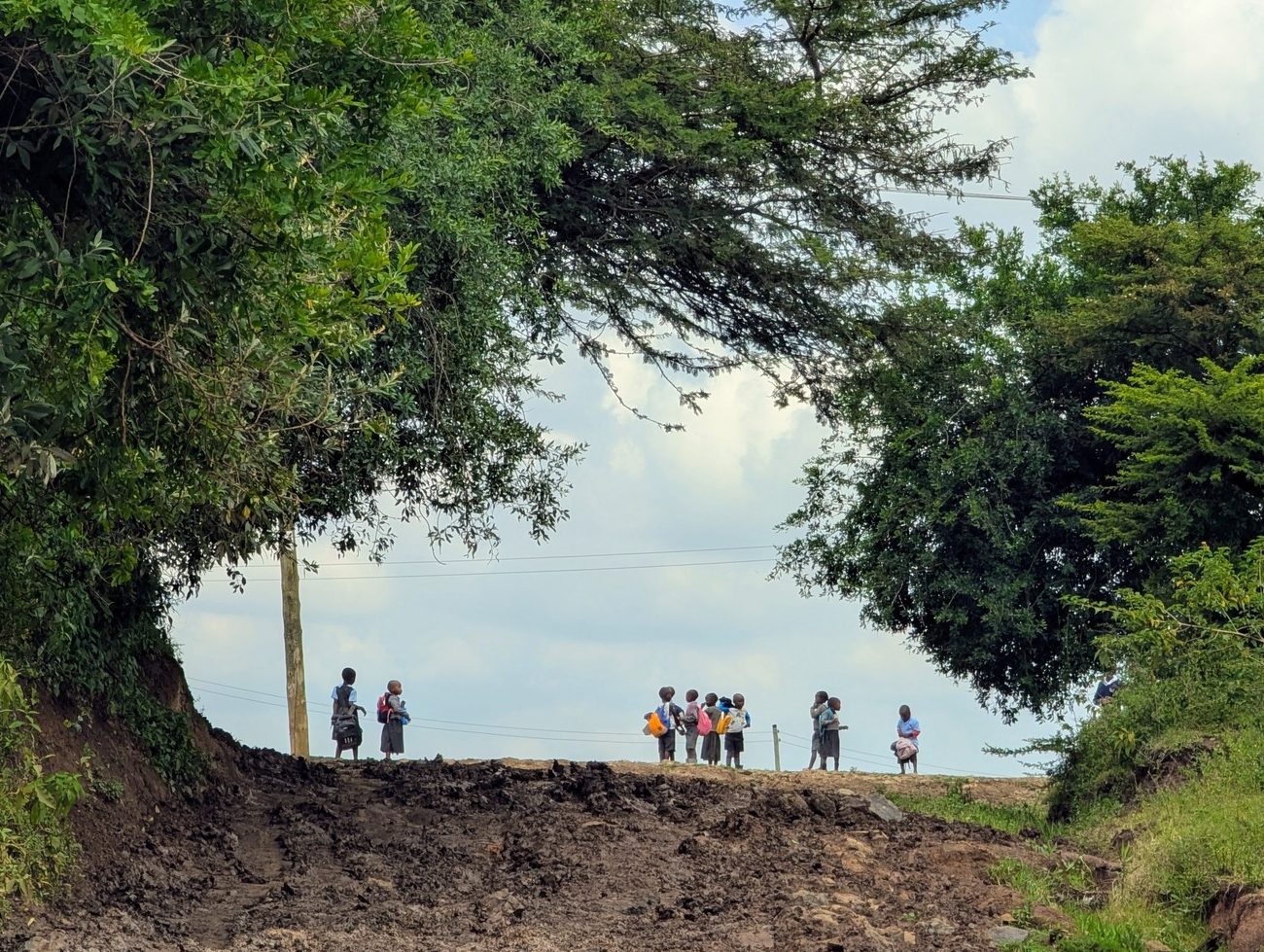
By the time we reached the Great Rift Valley, we were two weeks into our motorbike trip, had fully embraced the chaos, and rather than make coherant plans, picked roads that looked cool and drove them.
This included a route down the side of the Great Rift Valley, starting from Nyaru. It is a series of switchbacks, passing through beautiful villages that feel like they are in a hidden world. Look for Flourspar on the map to find the route.
Kenya’s Great Rift Valley Map
Best Time to Visit the Great Rift Valley
The Great Rift Valley of Kenya has two main seasons: dry (November to February) and wet (March to late October).
January and February can be hot and humid, with temperatures over 30°C (86°F), while the wet season brings lush landscapes and migratory birds — but also muddy, hard-to-pass roads.
I visited in August: warm days, cool evenings, and only a few afternoon showers.
For wildlife viewing, the dry months are best — animals gather around water sources, and clear skies make for great photography.
Other articles you might enjoy:
Discover Cairo: 10 Unique Adventures Beyond the PyramidsTop Tips for Staying Productive as a Digital Nomad
How to Prepare Your Mental Health Before Traveling: A Complete Guide
 Shortcuts and Side Qests
Leave a comment