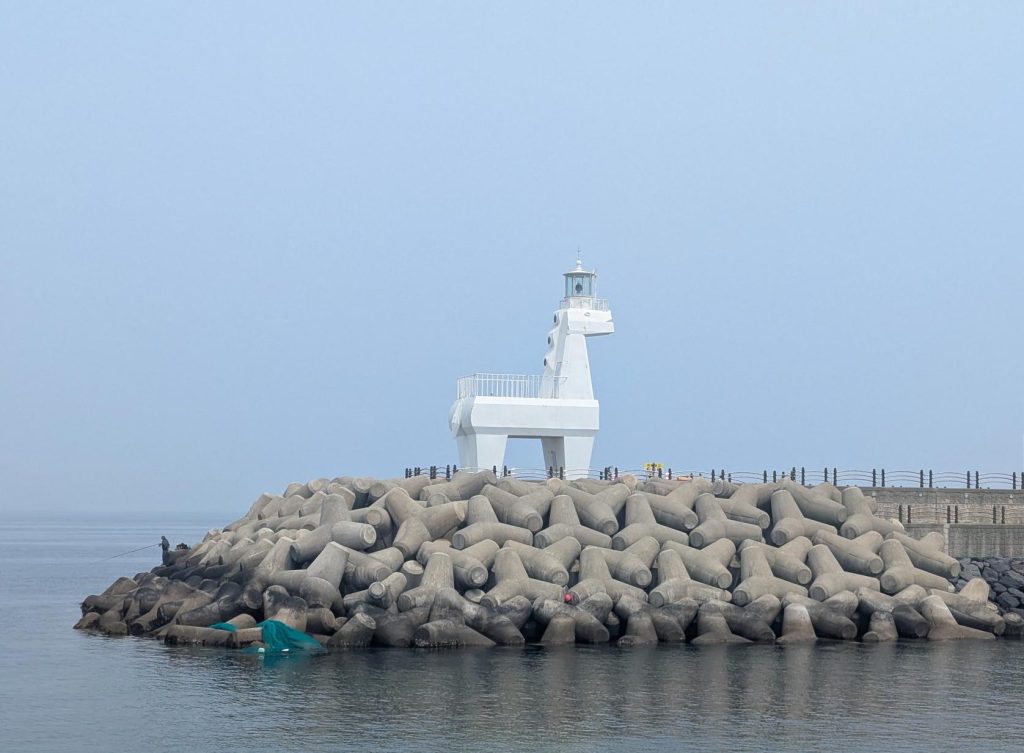
Jeju Island is sometimes described as Korea’s Hawaii. It is neither as large nor as dramatic as its Pacific counterpart, but it is a volcanic isle with a near tropical climate, and understandably this makes it the favorite holiday destination for many South Koreans, and an increasingly popular destination for foreigners. In fact, Seoul to Jeju is the world’s busiest flight path. Over 13 million travelers flew the 1 hour 15 minute route in 2024.
Does Jeju Island Suffer From Overtourism?
This popularity has come with a fair amount of issues for locals, who complain online about the behavior of tourists, foreign tourists in particular. Last year, a video of a foreign tourist smoking on a bus in Jeju went viral, with locals demanding the man be deported. In response to such incidents, the local government created guidelines for visitors, and printed 8000 copies in Korean, English and Chinese.
Jeju Island isn’t yet suffering from overtourism on the scale of European cities, but there are still steps you can take to make sure that your visit has a positive rather than a negative impact. Chose guesthouses and family-run restaurants, avoid the busy season of June – August, and of course respect the new guidelines that have been put in place.
Jeju Island: Things to do
Despite being a tropical island, Jeju Island doesn’t have a lot of beaches where people swim in the water. It is better known for its unique culture, stunning landscapes and hikes. Keep reading to learn about the best things to do on Jeju island.
1. Enjoy K-Culture in Jeju City
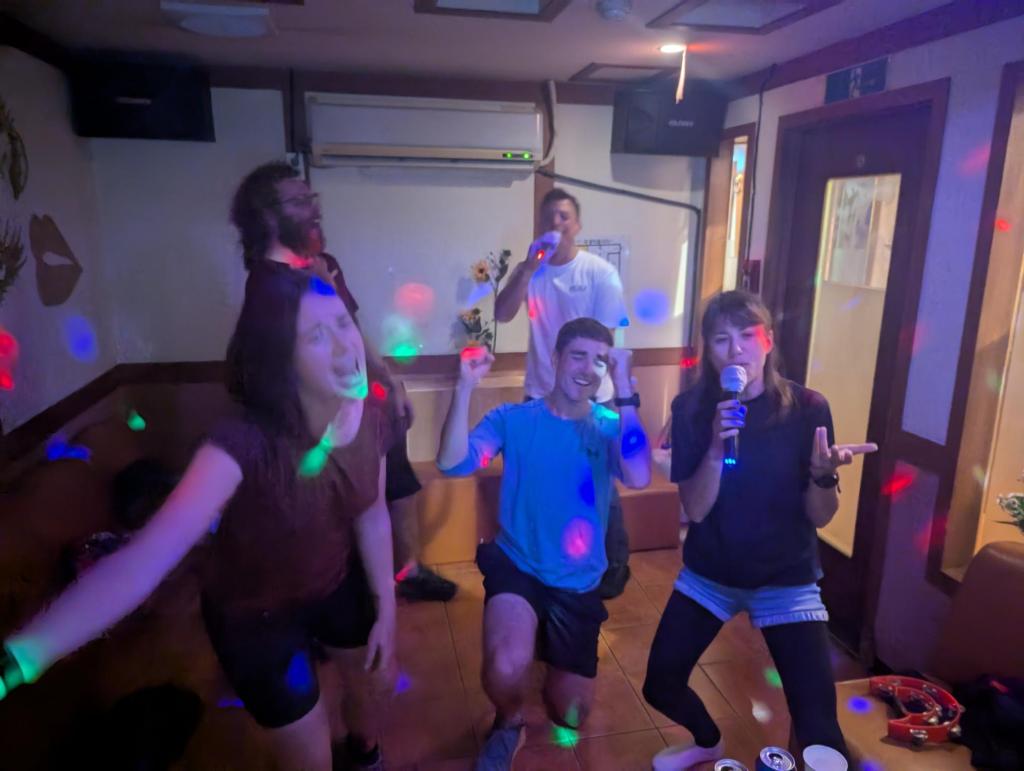
Whether you are arriving by boat or by plane, you’re likely to start your trip to Jeju Island in Jeju City. It is a picturesque town, spread over hills by the sea. It is also a great place to discover the colorful, eccentric k-culture, in a more serene environment than Seoul. There is a rollerblading rink that blasts K-pop throughout the day, tons of noraebangs (karaoke rooms) and local clubs and bars that play the latest idol hits.
2. Explore Jeju City Street Food Market
Overwhelming, lively and lovely, the street food market in Tapdong area is a great place to discover Jeju specialities, including citrus fruits, locally brewed beer and all kinds of seafood. It comes alive in the evening, with over a hundred stalls selling food and drinks. Prices are very affordable, so you can have an absolute feast.
3. Discover Incredible Contemporary Artists at Arario Museum
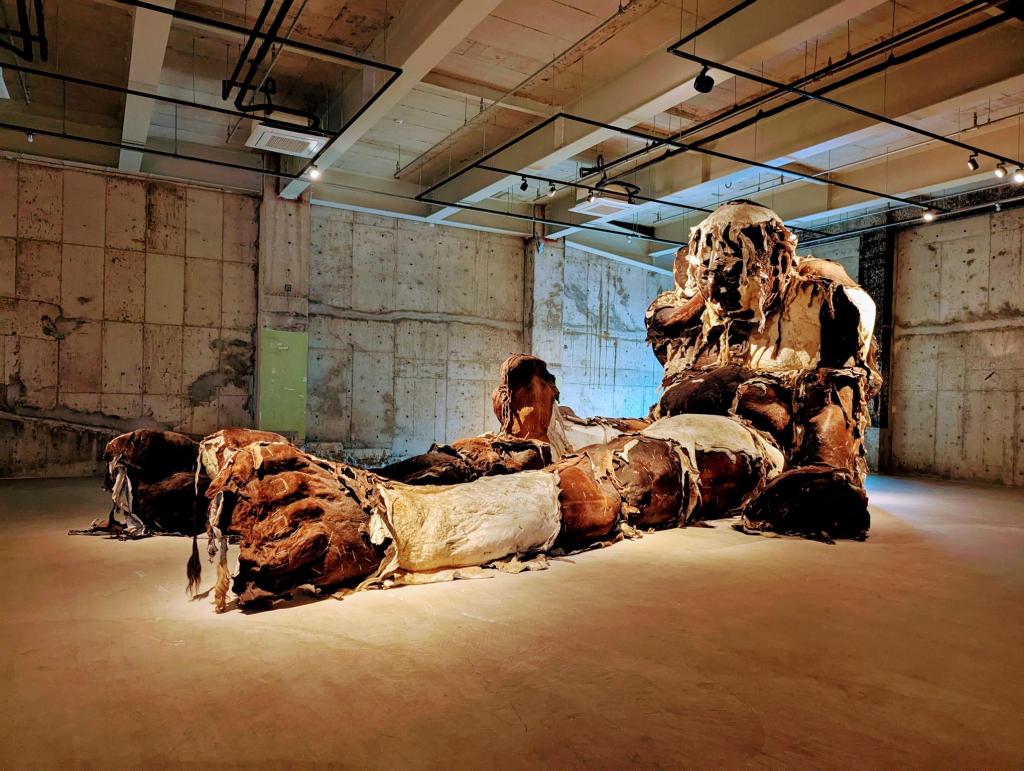
Arario Museum has two branches, one in Tapdong, located in a former cinema, and the second on Sanji-ro located in an old motel. I only visited the former, and I loved it. There are amazing sculptures and paintings by contemporary Korean artists, all set in a hipster, post-industrial space that is very vibey.
4. Visit Jeju Island Love Land or the Museum of Sex and Health
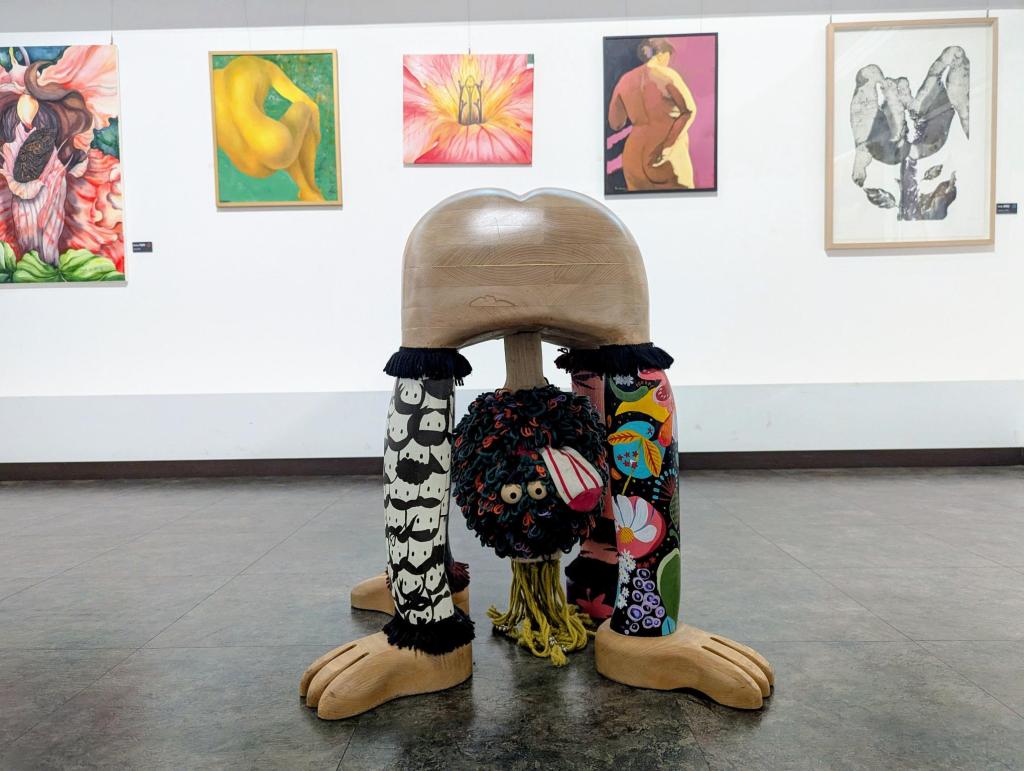
By Western standards, Korea tends to be quite conservative about sex. PDAs are uncommon, and sex is rarely talked about. It is surprising, therefore, that Jeju Island is home to not one but three sex museums. It harks back to the time when Jeju was South Korea’s foremost honeymoon destination.
Jeju Love Land is a large garden featuring erotic sculptures. The Museum of Sex and Health has more comprehensive collections, with sculptures and artworks from around the world, as well as a lot of informative content. Homosexuality is briefly mentioned, despite being a taboo subject in Korea. I was pleasantly surprised by the museum, which goes in lots of directions, and is at times moving, funny and beautiful.
5. Visit Tea Plantations at the O’Sulloc Tea Museum
This is more of a cafe and shop than a museum, but it is the best place on the island to get insight into Jeju’s tea-growing history. You can sip a matcha latte while overlooking the rolling green tea plantations, and find a wide collection of cosmetics made with green-tea as well, made by clean beauty brand Innisfree.
6. Climb Hallasan Volcano, South Korea’s Highest Peak

The imposing Hallasan volcano sits at the center of Jeju Island, rising 1,950 meters above sea level. The trails up offer some of the best hikes in South Korea. There are two routes up to the top: the Seongpanak trail and the Gwaneumsa trail. The Gwaneumsa route, from the north, is steeper. It takes about 3 – 4 hours to climb the 1,500 metres of elevation over roughly 8.7 kilometres. The Seongpanak trail, from the east, is longer (9.6 km) but more gradual, and less technical. The view from the top over the crater lake is well worth the climb.
7. Learn About Jeju’s Women Freedivers at the Haenyeo Museum
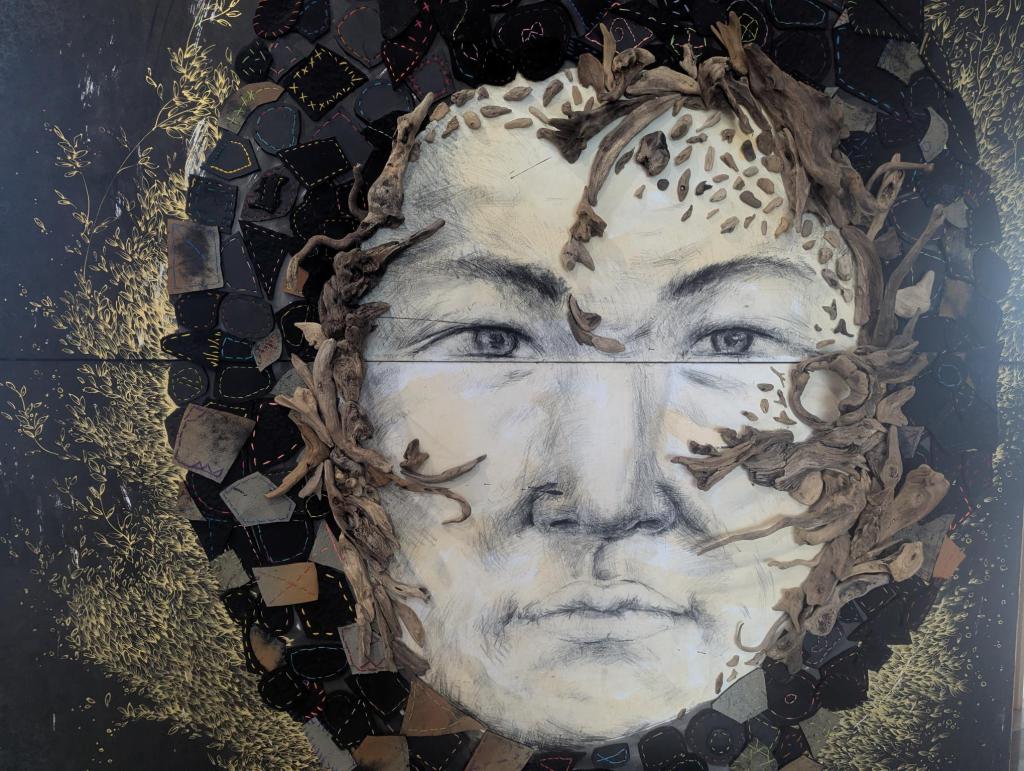
As you explore the coast of Jeju Island, you are very likely to spot haenyeo, female freedivers who have a long history on Jeju Island. This museum is a great place to learn more about their culture, traditions, tools, and techniques for staying underwater for several minutes.
8. Check out Jeju’s Grandfather Stones
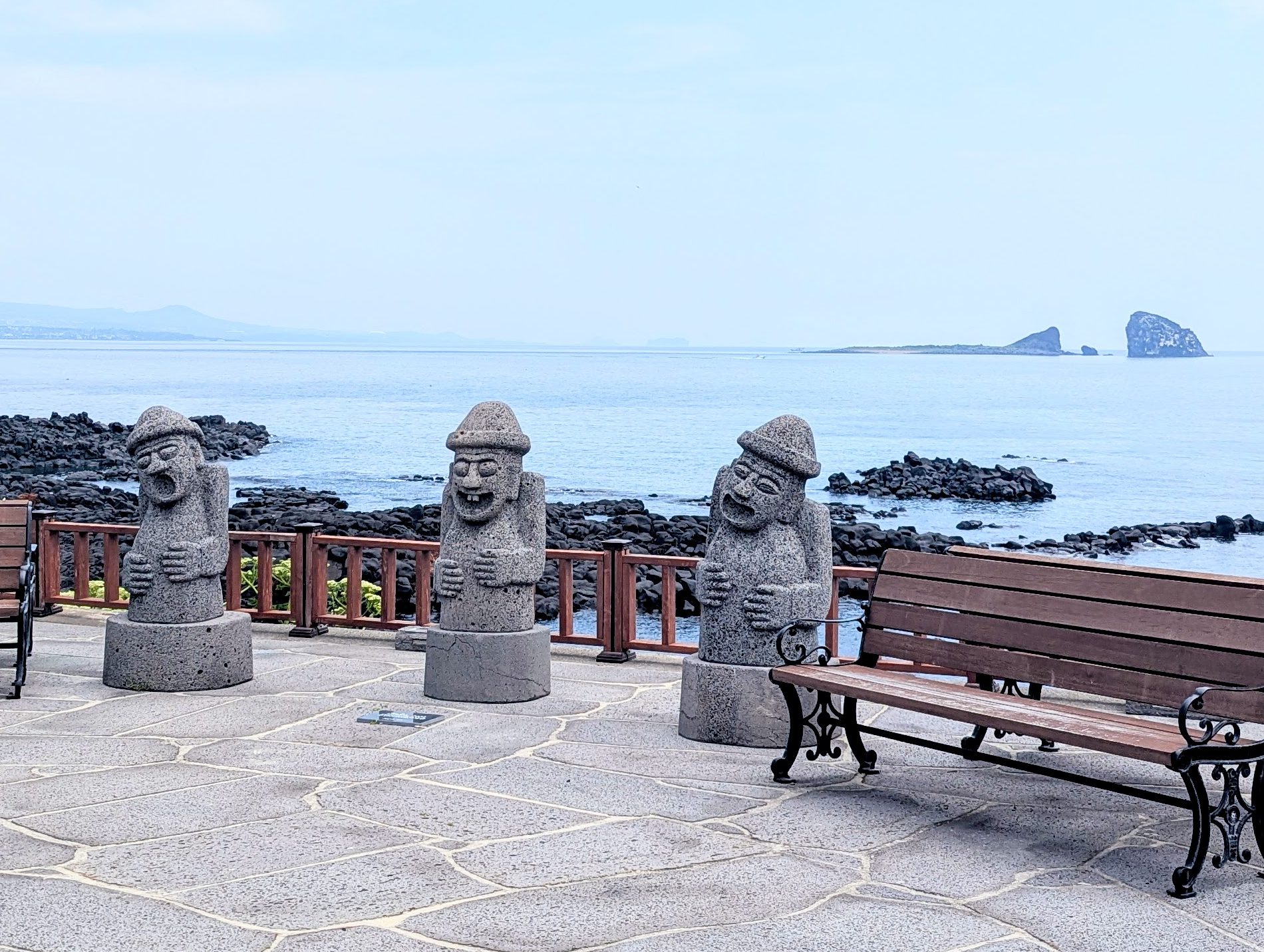
Haenyeo are Jeju’s grandmothers, but rest assured, there is also no shortage of grandfathers. Throughout the island, you’ll spot Dol-hareubang, basalt “grandfather” statues with bulging eyes and hands on their bellies. They are very striking, with their unique sculpting and black rock.
9. Drink a Frappe by the Sea
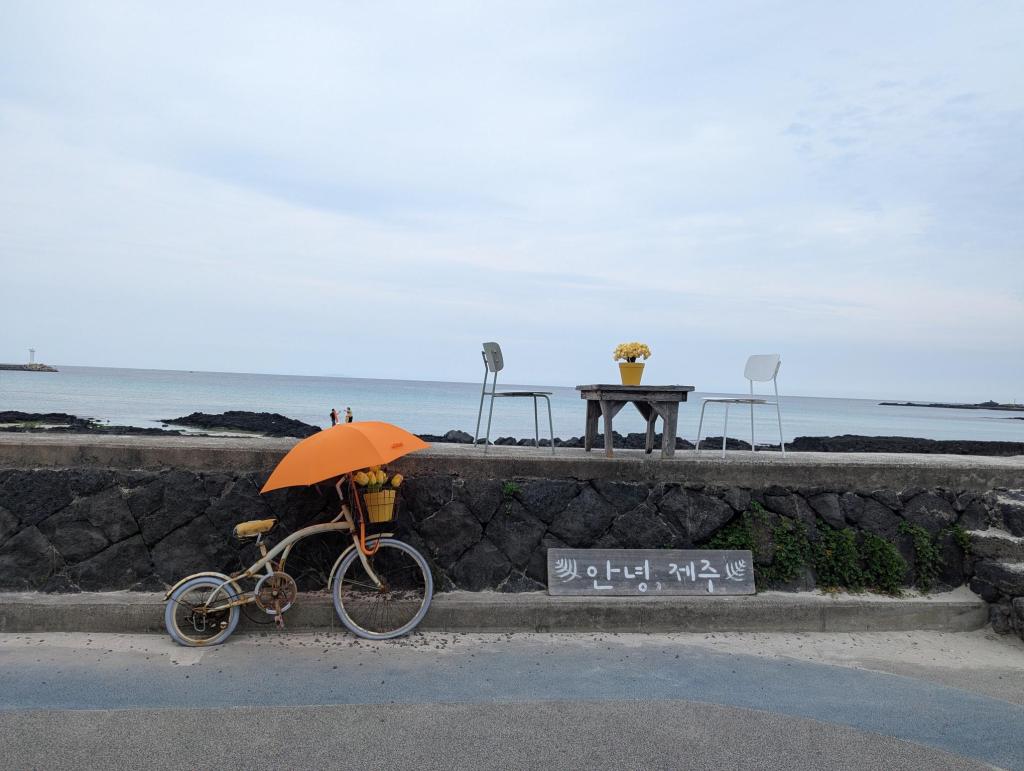
South Koreans love a fancy beverage – the brighter and more absurd the flavor, the better. The beaches of Jeju aren’t used in the same way they would be in the West – you’ll find few people swimming or lounging on the sand. But they are lined with cafes, and cute little Instagrammable tables to sit and enjoy a drink, while waves crash on the black lava rocks.
10. Walk the Jeju Olle Trails
The olle are historic footpaths that connect the sea to inland fields and villages. Today, they have been turned into a dense network of 427 kilometres of hiking trail, weaving along the coastline and through rural lanes. You can spend several days exploring along the trails, or pick one for a half-day hike.
11. Catch Sunrise at Seongsan Ilchulbong
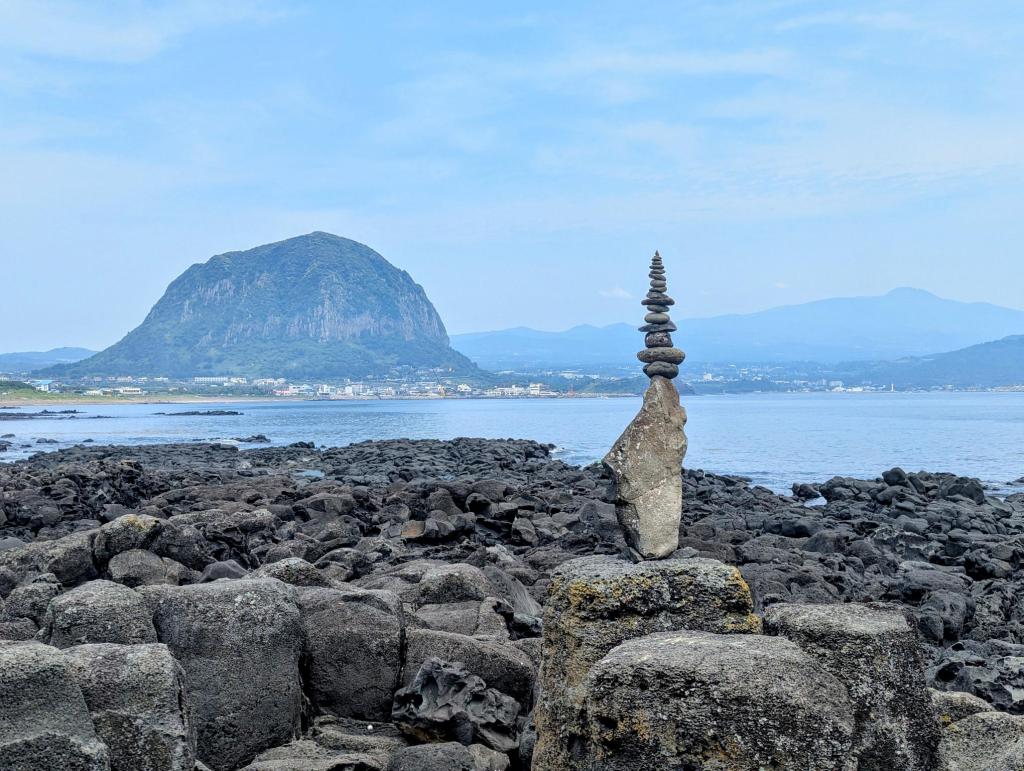
Seongsan Ilchulbong is a 182-metre extinct volcano that is shaped like a punch bowl and rises straight out of the sea. It is one of Jeju’s must-see views, and locals refer to the hill as “Grandmother Seolmundae”. It is beautiful whatever time of day you lay eyes upon it, but it is particularly popular for a sunrise hike, where you climb up to the caldera and watch the sun rise above the silver sea.
12. Visit Udo Island
Udo Island, meaning “Cow Island”, is a tiny place, very touristy, where people rent absurd vehicles and loop the coastal road between white-sand beaches, dramatic cliffs, peanut farms, and lighthouses. It is a delightful, slightly comical way to spend a day.
Learn more about what to do on Udo Island.
13. Visit Seogwipo’s Waterfalls
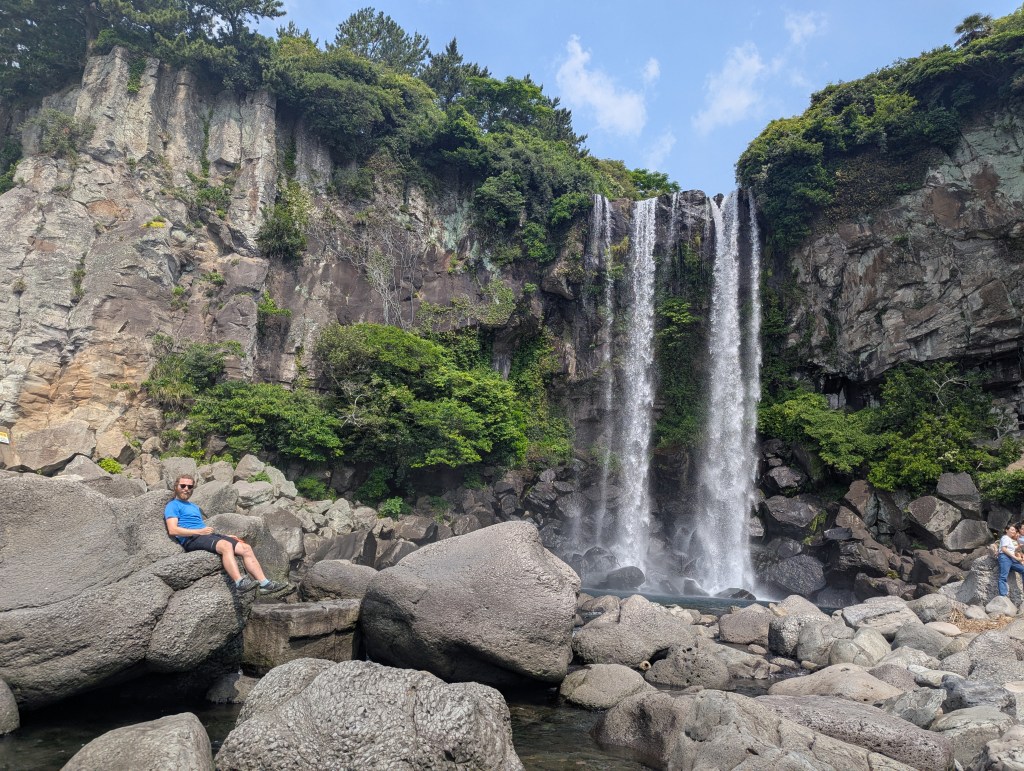
Seogwipo is Jeju Island’s second biggest city, and is located on some of the mosty dramatic bits of coastline of the island. Particularly enjoyable are the many waterfalls. My favorite was Jeongbang, which plunges directly into the sea. Cheonjiyeon and Cheonjeyeon sit in lush river valleys. Unfortunately, you aren’t allowed to swim in any of the pools, but you can at least feel refreshed by the foam.
14. Visit Sanbanggulsa Temple
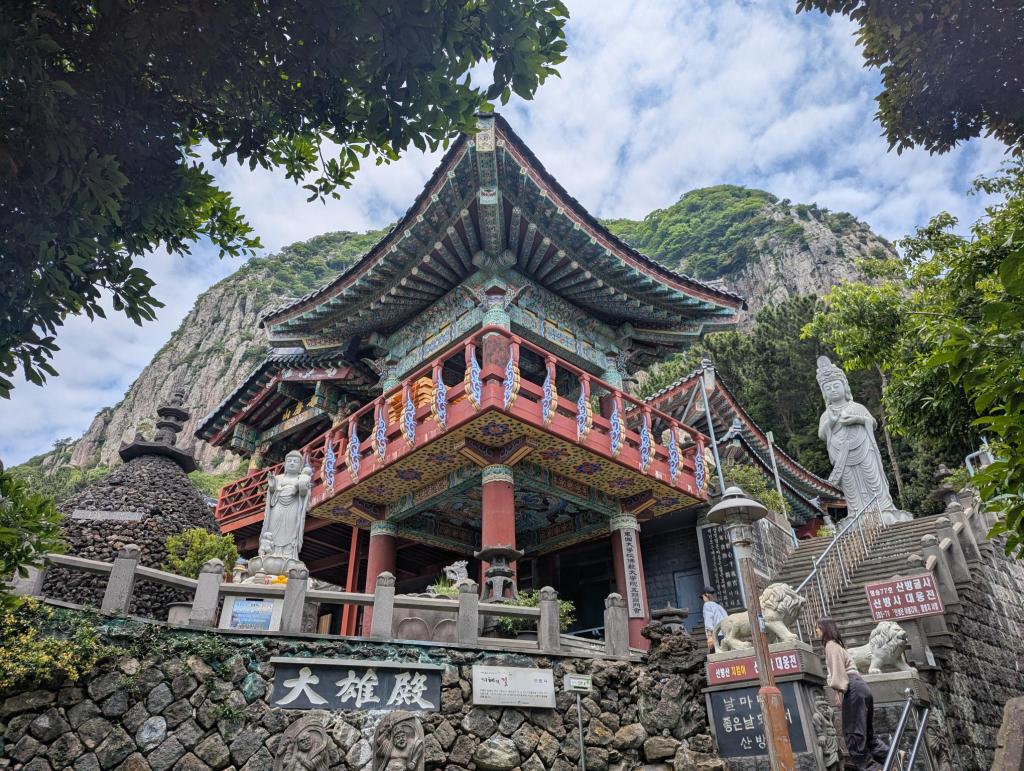
Sanbanggulsa Temple sits at the foot of a mountain, and is a very pretty place to explore. It has several highly painted halls, as well as statues leading up the hill. A cluster of cafes and street food vendors cater to worshippers at the foot of the temple, overlooking the sea.
15. Get Lost at Jeju Maze Land
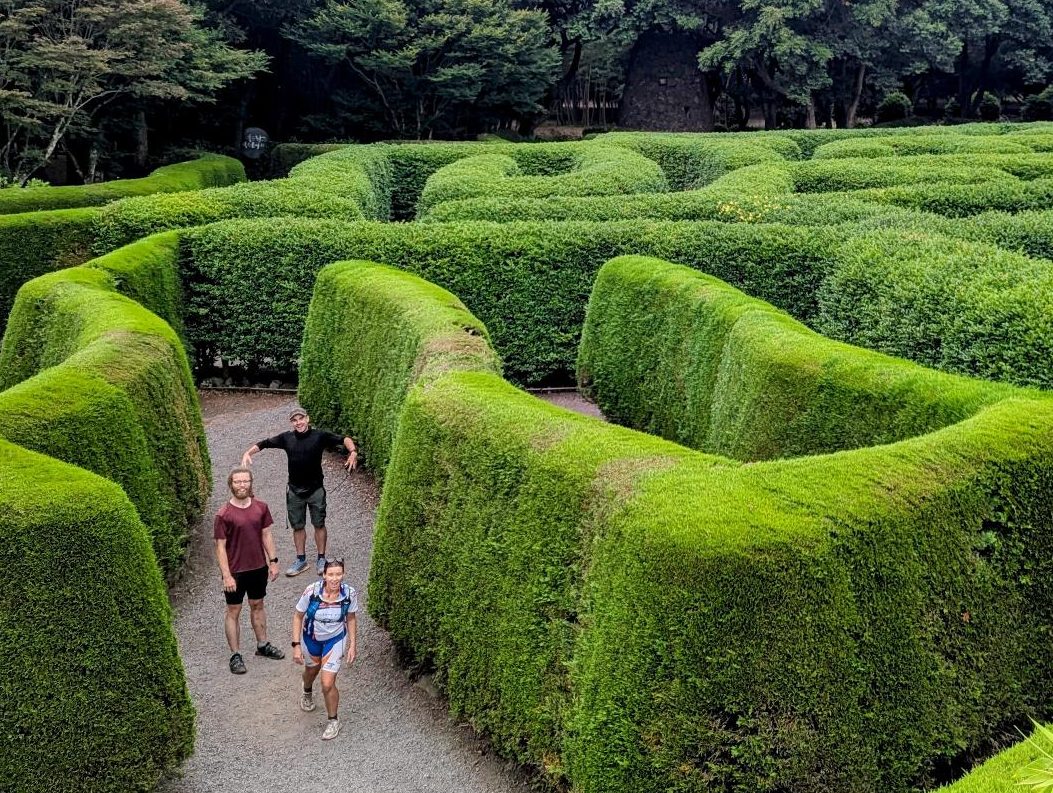
I had low expectations of Jeju Maze Land, but it is actually a really fun day out. There is a museum of puzzles, many of which you can try out, as well as three huge mazes. One is made of stone, and two others of thick hedge. They are properly challenging, and surrounded by pretty parks that you can stroll around after you’ve finished getting lost and found. This is definitely one not to miss if you are travelling with kids, or looking for some innocent fun of your own.
16. Cycle Around the Island on the Jeju Fantasy Bicycle Path
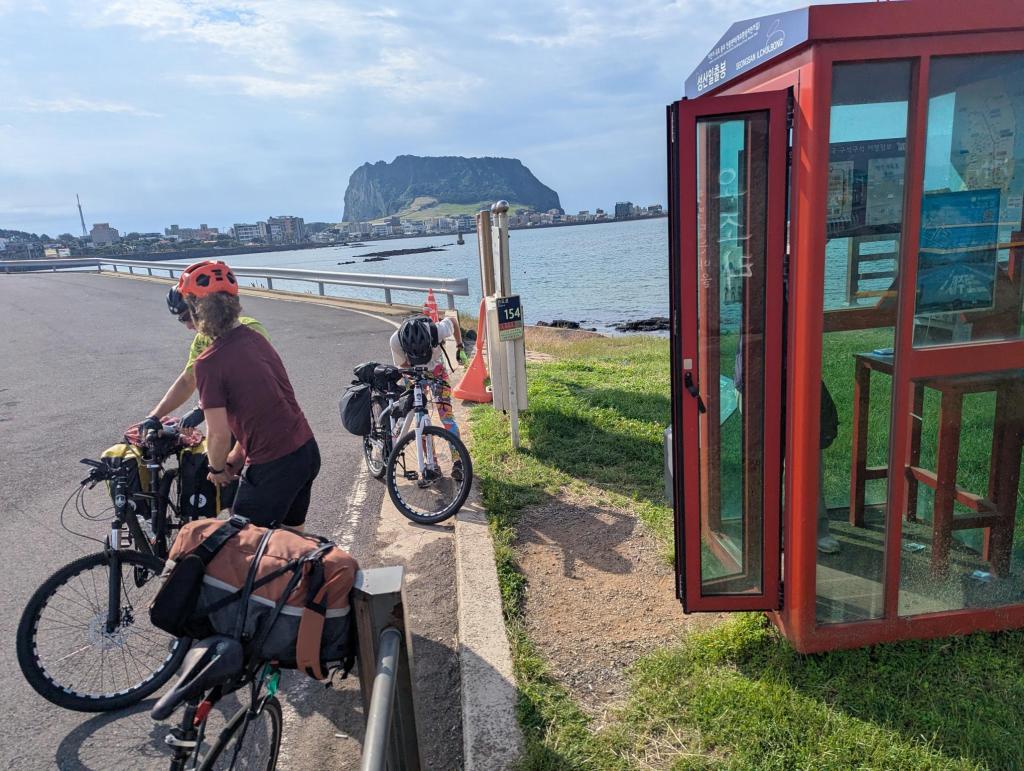
Jeju Island has a bike route all the way around its coast, and it is a fun way to see the island, whether you want to do the whole thing in 4-6 days, or just rent a bike and do a stretch of the route. Most of the route is along coastal roads. They aren’t overly busy but do have many tourists driving them, sometimes badly.
I cycled the whole thing, so you can expect a separate post about it soon.
17. Go Scuba Diving on Jeju Island
Jeju’s clear waters and volcanic seabeds make it one of Korea’s best diving spots. There are colorful fish, several coral gardens and underwater lava formations. Dive centres are mainly located on Udo Island and in Seogwipo.
How to Get Around Jeju Island
Jeju Island is not small. It measures 64 km (40 miles) from east to west, and 26 km (16 miles) from north to south. That means that there are tons of things to do, but also that you need to factor in travel between different areas in order to do everything.
Jeju has a good public transport network, or you can rent a car in Jeju city or Seogwipo. A bike can get you most places, although heading inland inevitably involves lengthy climbs.
Planning a trip to Jeju? Ask me questions below!
Other articles you might enjoy:
How to Visit Udo Island, South Korea
 Shortcuts and Side Qests
Leave a comment